
Yambaru
Into the green beating heart of Okinawa
Welcome to an early overview of a coffee table book project devoted to the wild heart of Okinawa—the Yambaru National Park—where undulating subtropical hills cradle some of Japan’s most iconic, endangered, and truly endemic species, many honored as natural prefectural monuments and irreplaceable treasures. This work-in-progress, envisioned to unfold over the next four years, brings together intimate wildlife encounters, sweeping forested landscapes, and the raw, elemental power of the ocean as it collides with the Yambaru’s rugged limestone coasts, where jungle and sea exist in constant conversation. The imagery within is shaped by an environment that is as unforgiving as it is beautiful—relentless humidity, sharp rock, salt spray, and nocturnal terrain—which is why I openly welcome dialogue and potential partnerships with local and international brands specializing in rugged clothing, technical footwear, and camera hardware designed to endure extreme field conditions. This project is both a visual tribute and a long-term commitment to documenting one of Okinawa’s last great wildernesses, and it grows stronger through collaboration with those who value resilience, craft, and conservation.
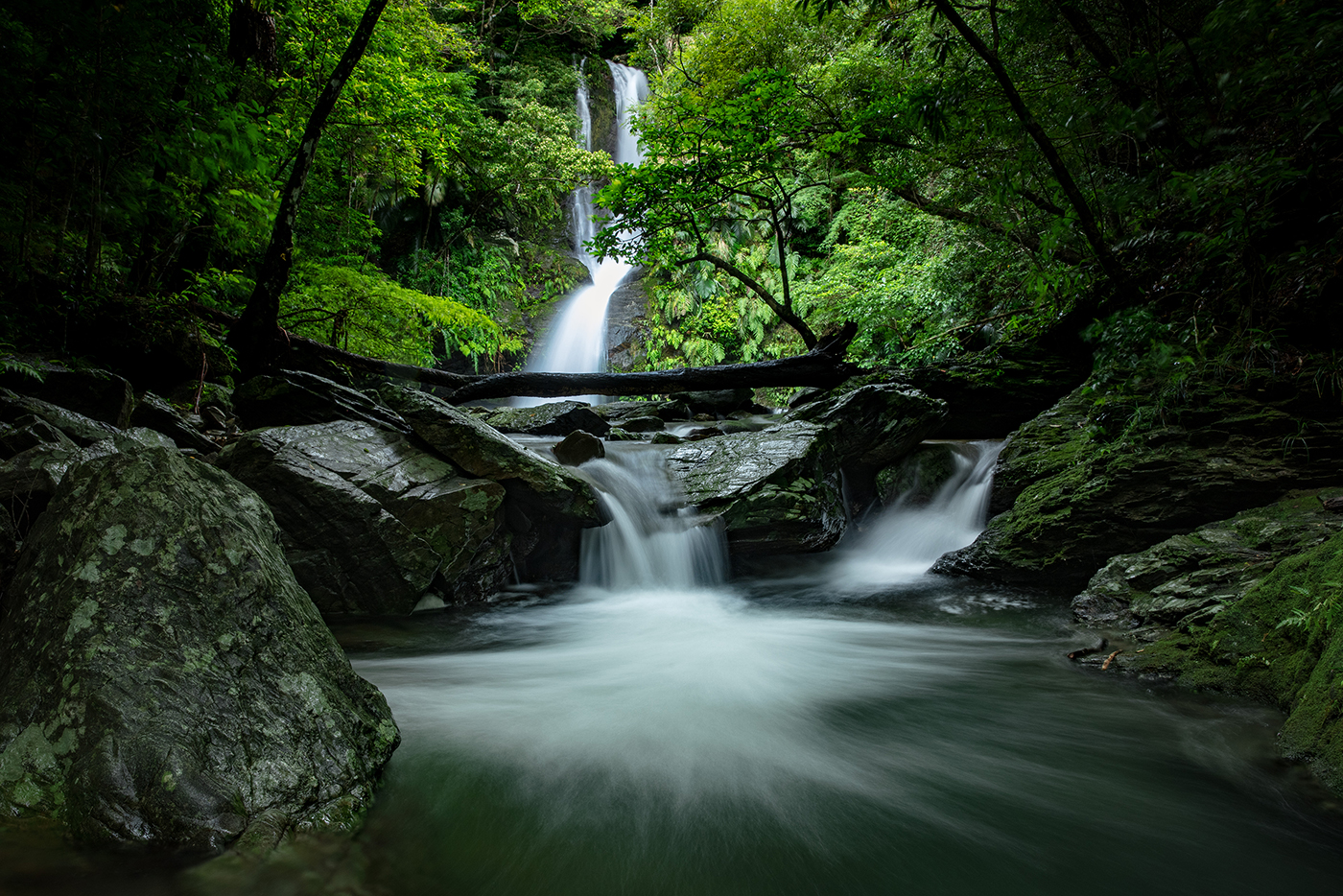
Firstly, for those who are the astute Okinawa fans, you'll notice the above image is from Fukugawa Waterfall which is not in the Yambaru region of northern Okinawa. While I do want to have a jungle waterfall as the front cover of the book I have yet to find one as aesthetically pleasing as the one above. There is a waterfall out there, it just needs to be discovered, or at least encountered on my walks as I delve deeper and deeper into the green heart of Okinawa, and photographed.
As many of you are aware, if you've been keeping up with my ongoing photographic journey here in Okinawa, I've long been shooting all aspects of the Yambaru jungles of the northern part of the island, along with it's amazing diversity of wildlife and landscapes. I've often asked myself "What's all this imaging for, where will it all lead?" Well, I've finally opted to forge ahead with a planned coffee table book that I am thus far entitling 'Yambaru, the Green and Beating Heart of Okinawa'. This planned product will showcase only my best imaging results from this stunning location, with an accompanying, yet minimal, text in both English and Japanese. Updates on this progression will appear periodically as and when prominent events transpire along this journey to completion.
Over the years I have been blessed with having so many incredibly rewarding experiences when encountering the wildlife within the Yambaru. I can vividly remember the first time I cast my eyes on an Ishikawa's frog, after four years of searching. As equally rewarding was the first ever decent shot I accomplished of the unique aesthetic of the Okinawa Rail, or Yambaru Kuina as known locally. I could go on. Numerous similar stories with equally, and even greater, species oddities abound. The fact of the matter there are still a number of species that continue to evade my photographic sensor. Thus far.
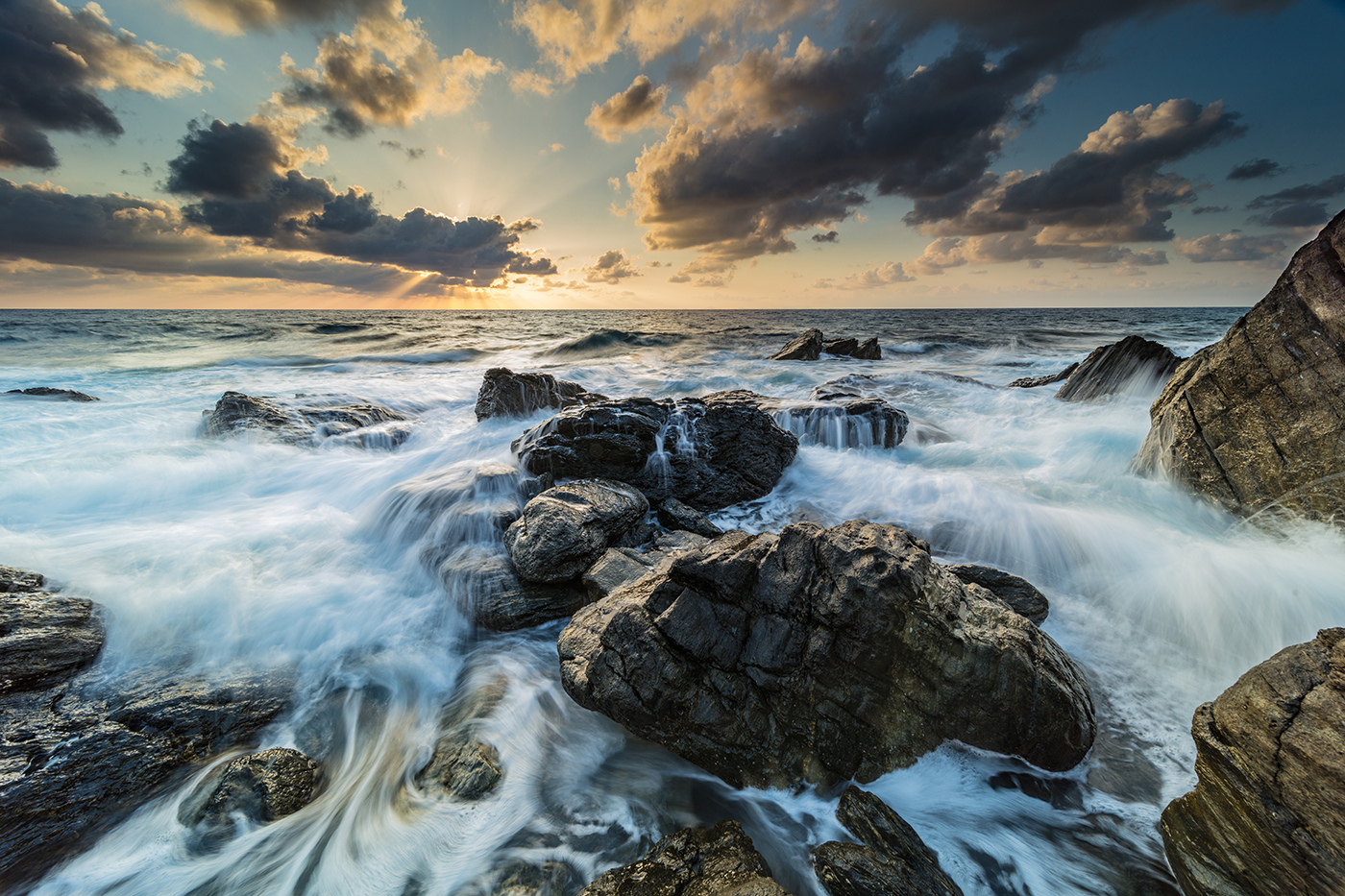
Dramatic and rugged are two words that come to mind when talking about the northern Okinawa coastlines. Tamed with long exposure photography techniques to add a sense of motion these offer some amazing vistas that often go overlooked.
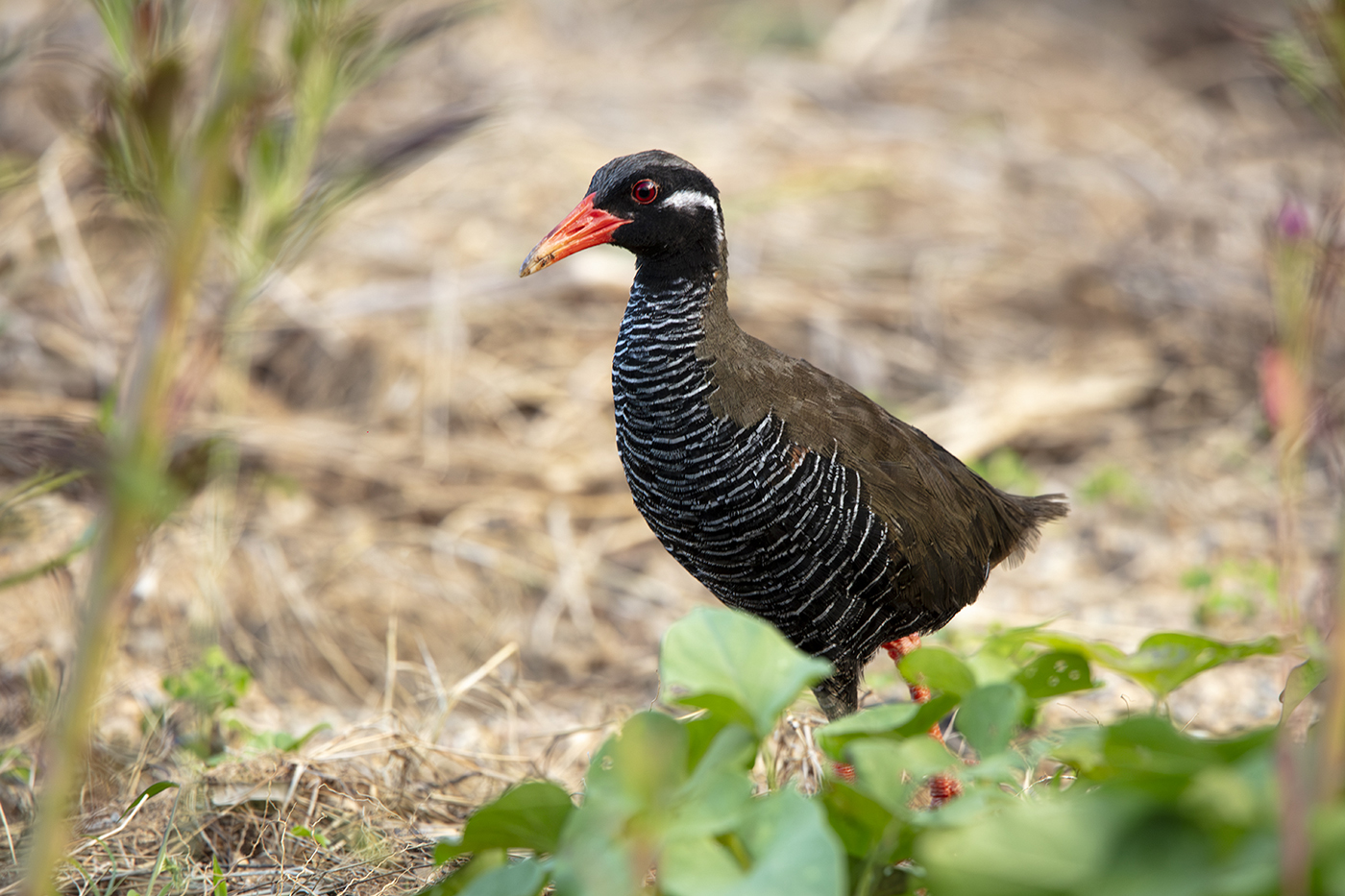
Okinawa is known for its iconic species such as the flightless Okinawa Rail, or Yambaru Kuina as it's locally known. Numerous other species of reptilian, amphibian, and avian fare feature prominently in this impressive natural history lineup.
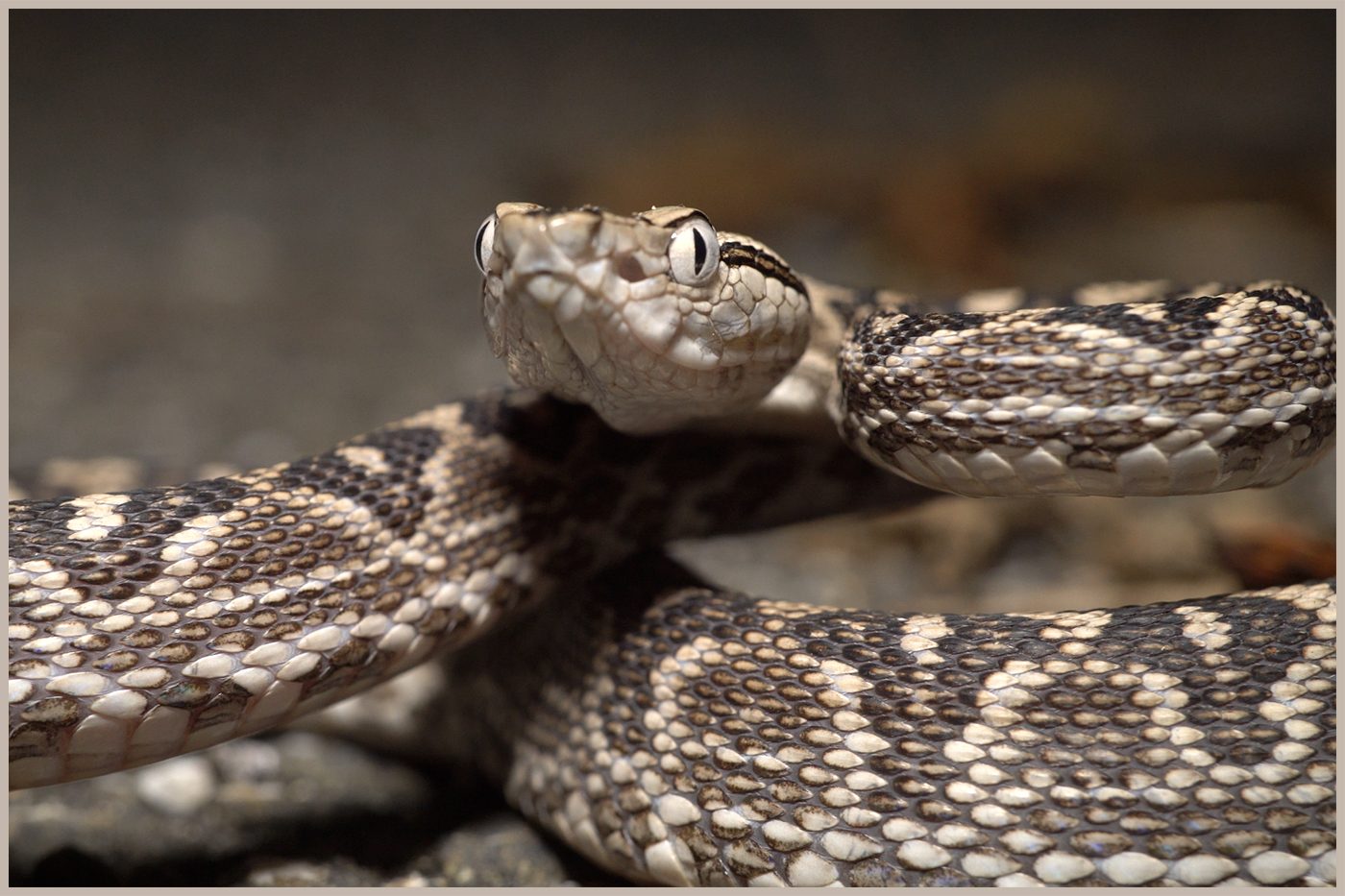
Remaining mostly unchartered it's only fair to assume there are still aspects/species within the green embrace of the Yambaru that remain unknown to man, or science. Like this Silver Habu that I believe I'm the first person to have ever filmed.
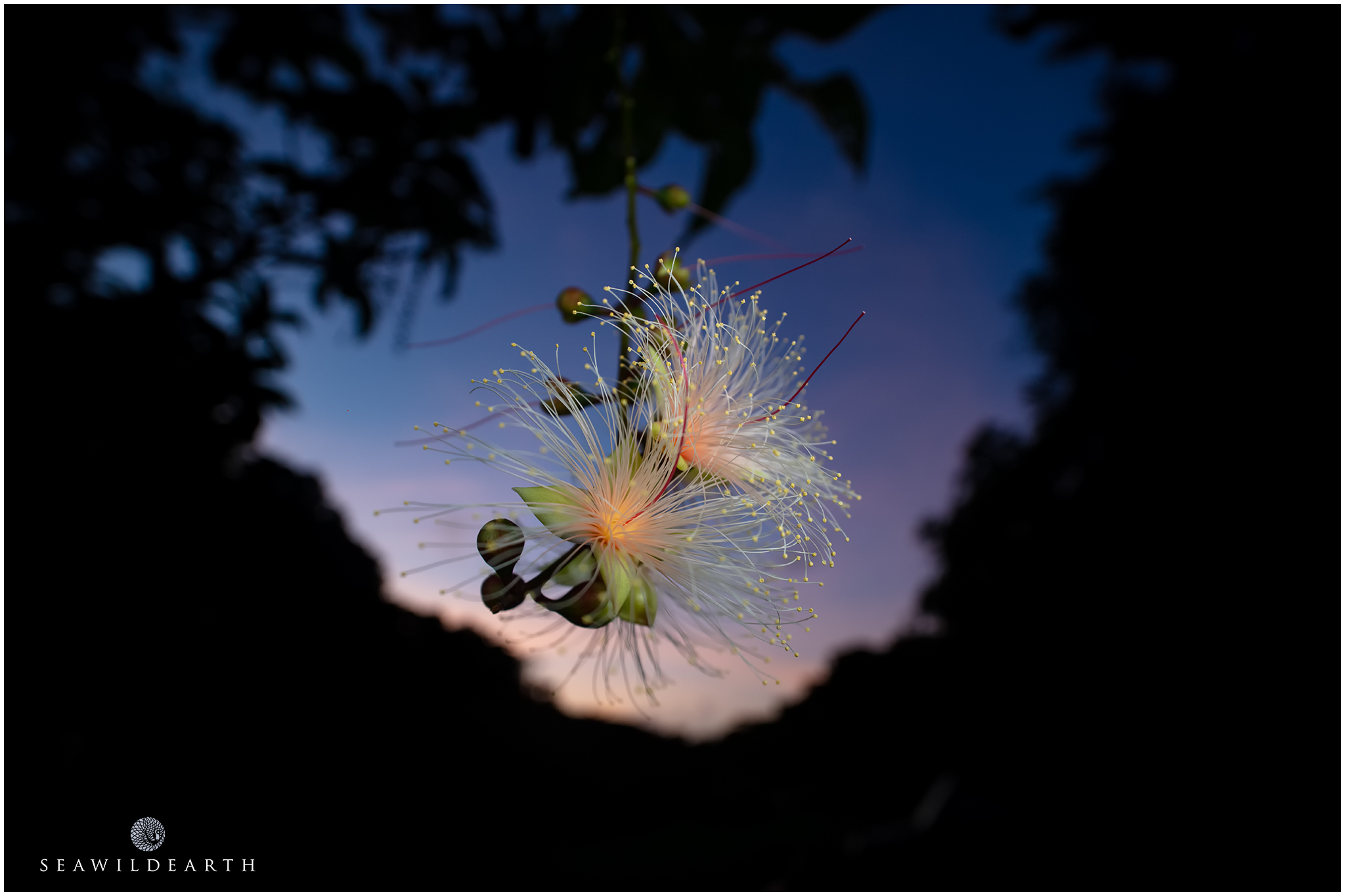
The treasures to be found within the confines of the Yambaru are not limited to landscapes or the amazing diversity of species found therein. Stunning flora like the night blooming flower of the Sagaribana Tree also make this location pretty unique.
Nearly eight years immersed in the Yambaru jungles have offered rewards far beyond the act of making photographs. Each slow night walk, rain-soaked ascent, and patient hour spent listening rather than looking has deepened a relationship with a living landscape that reveals itself only through respect and persistence. The privilege of documenting the Yambaru’s endemic and endangered species—often encountered in fleeting, fragile moments—has fostered humility, patience, and an acute awareness of how much remains unseen and unprotected. These images are not trophies, but quiet conversations with a place that continues to teach restraint, endurance, and wonder. And yet, this journey is far from complete: the next four years will push deeper into the folds of this ancient forest, chasing the rarest encounters and untold stories that still pulse within the green, beating heart of Okinawa.
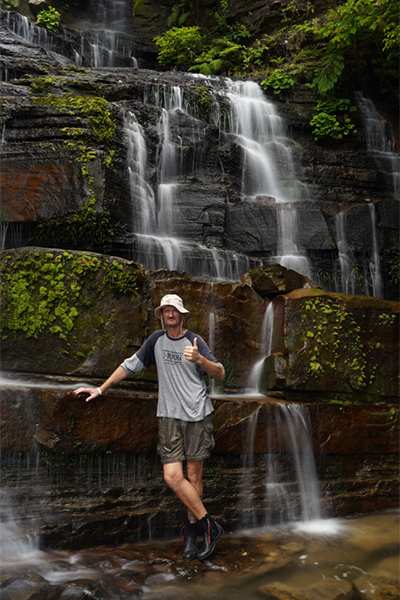
Thumbs up to 4 more years.
The work now underway is driven by a long-term commitment to revealing the full natural history of the Yambaru—its layered forests, ancient geology, and the intricate relationships between flora and fauna that make this region so singular and so deeply cherished. From moss-laden understories to wind-scoured ridgelines, the project seeks to build a visual and narrative record that reflects not only what lives here, but why it endures. Each season brings new behavior, new light, and new ecological stories, reinforcing that the Yambaru is not a static wilderness, but a living system shaped by time, weather, and quiet resilience.
As this exploration continues, there is natural potential for collaboration with brands whose products are already designed for environments like this—where rugged terrain, heavy rain, and close encounters with wildlife are part of the daily reality. Thoughtfully engineered footwear, protective and waterproof apparel, and durable photographic equipment such as rain covers and field-ready backpacks all play a role in enabling responsible work in demanding conditions. While such partnerships are not a requirement of the project, alignment with brands that value durability, ethics, and environmental respect would be welcomed. Those interested in exploring a shared path forward are invited to reach out via the contact page on the website to continue the conversation.
"We simply need that wild country available to us, even if we never do more than drive to its edge and look in."
Wallace Stegner
American Author, Historian, and Environmentalist