
Winter Wildlife Tour
A diverse array of avian wildlife choose to winter in Okinawa including some of the most critically endangered species. My goal for this five day tour is to get attendees into positions that maximize imaging potential while remaining as respectful as possible to the target species.
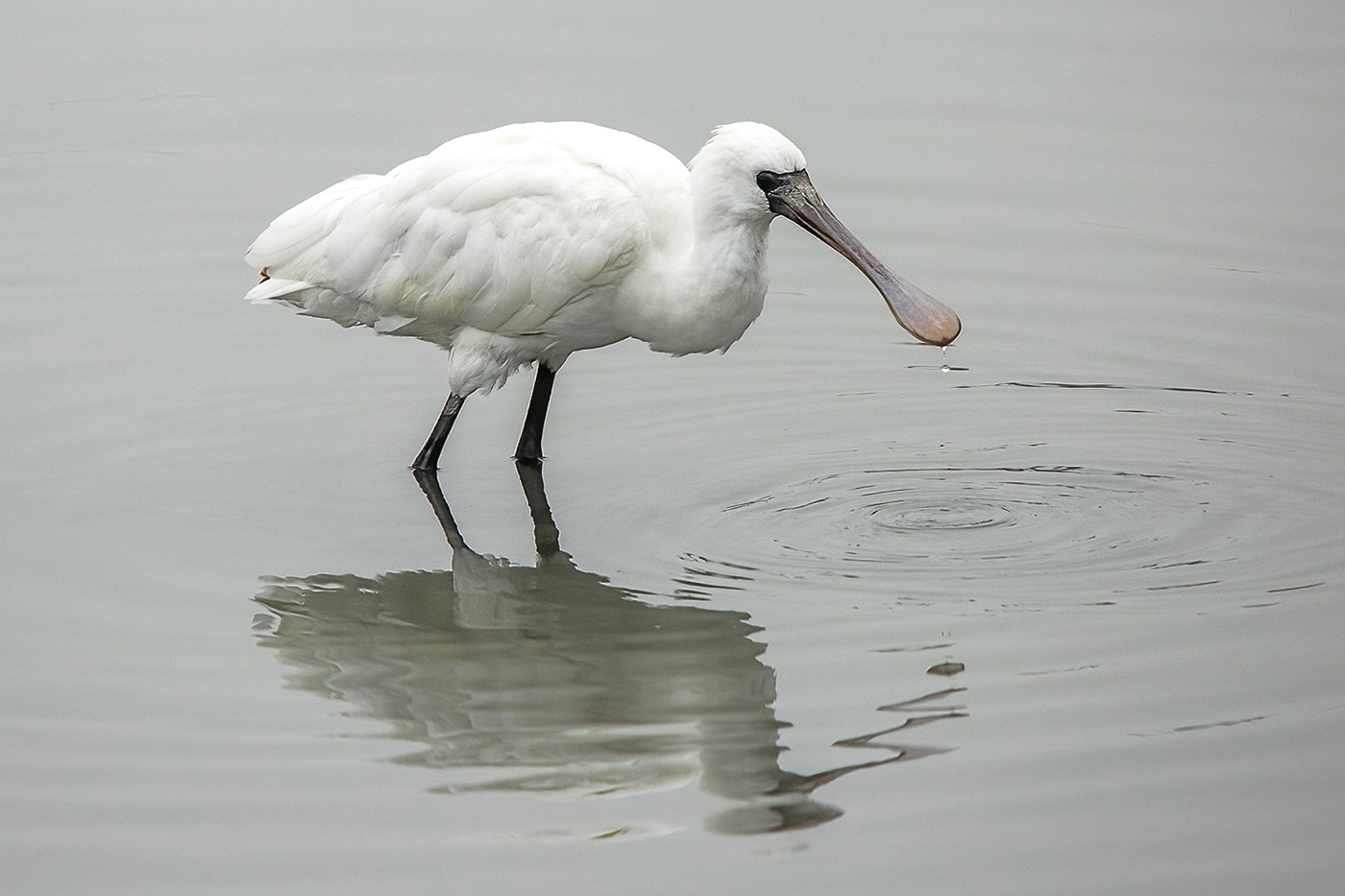
Critically endangered with just a few thousand remaining in the wild the Black Faced Spoonbill is a winter visitor to Okinawa preferring the warmer weather over the frigid winter conditions in their traditional home.
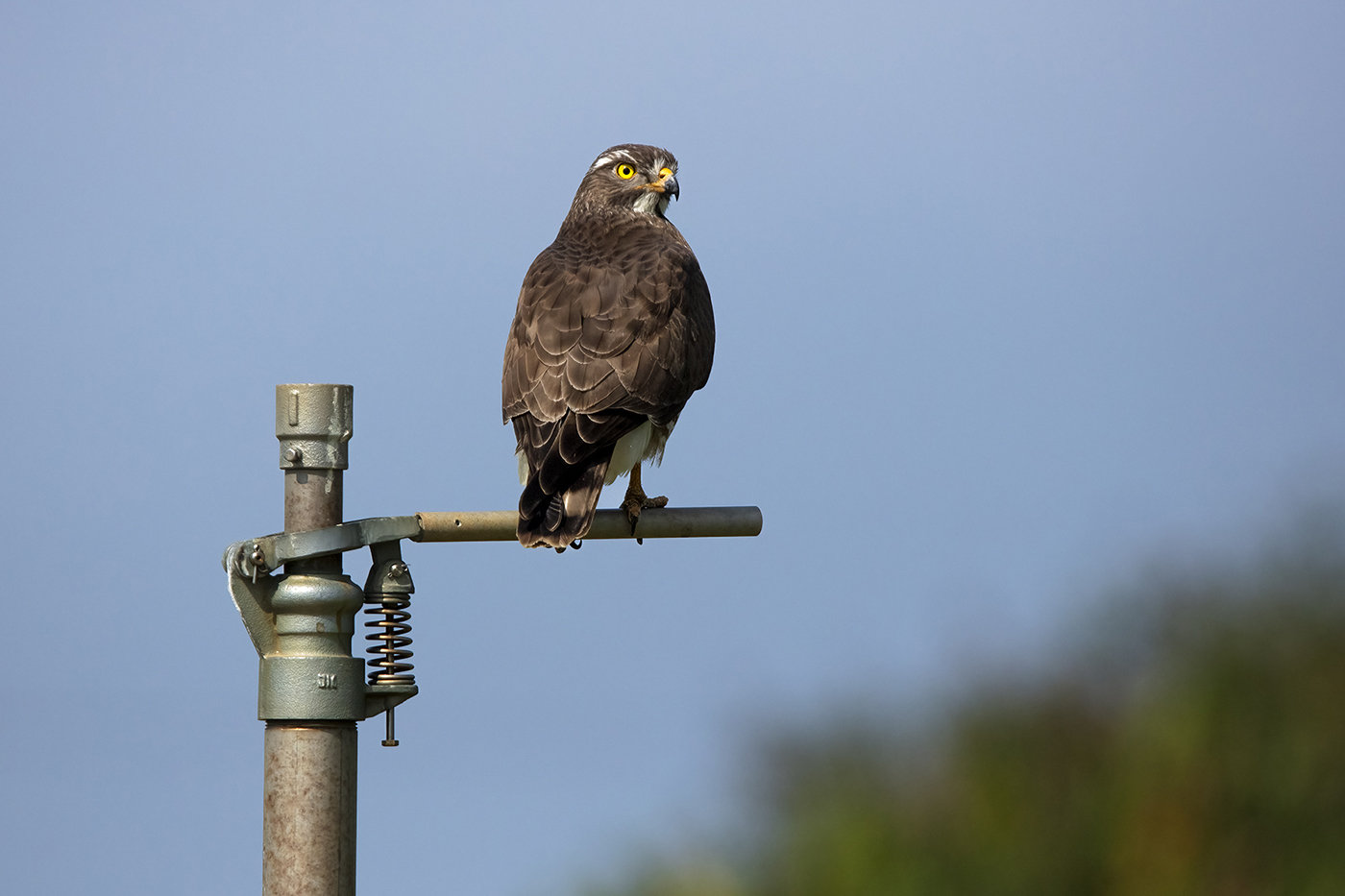
October is marks the arrival of the stunning and deadly graceful Grey Faced Buzzards in Okinawa. They take a break on the island during their annual migration south to the Philippines from the Japanese mainland.
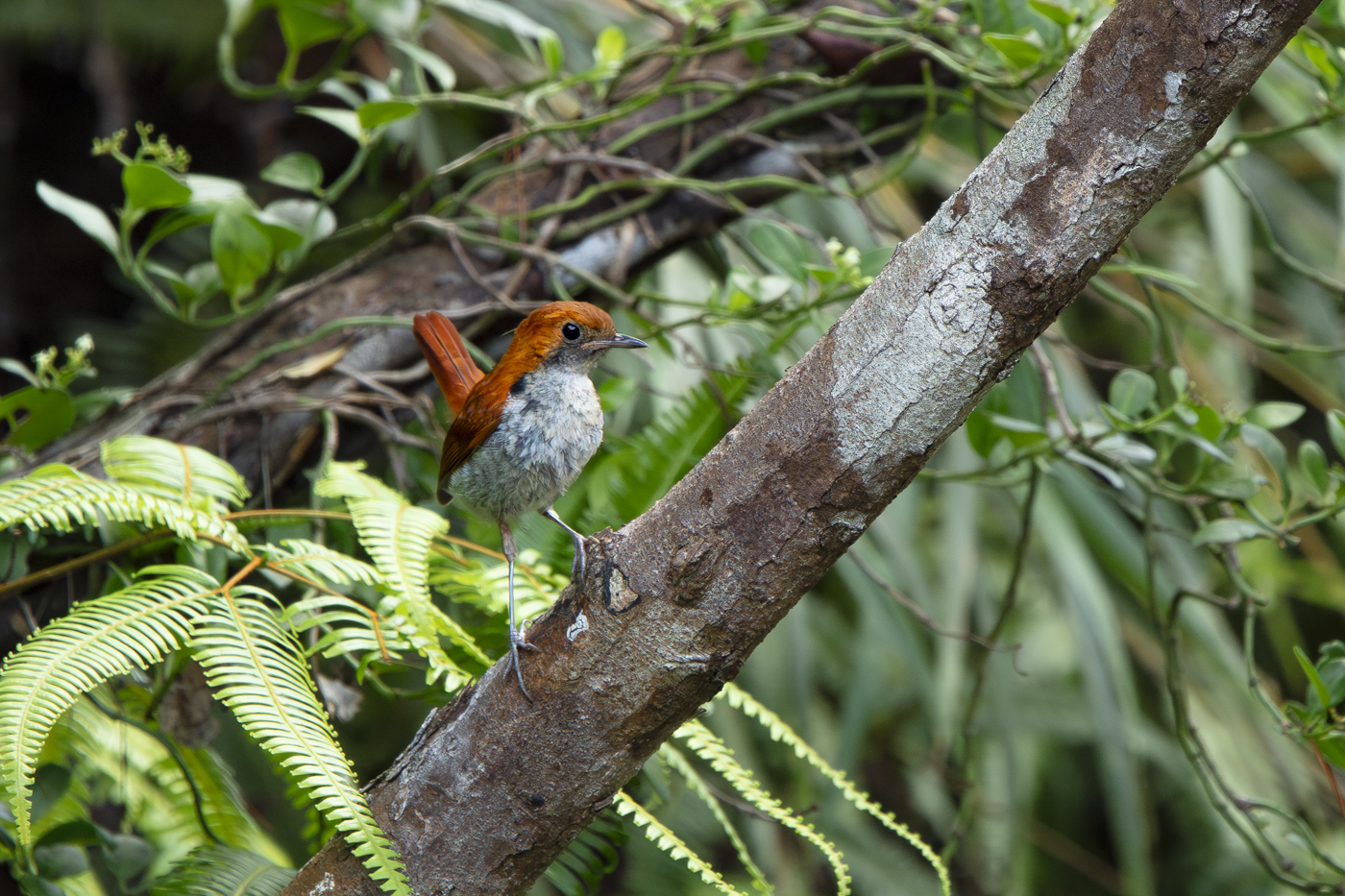
Without a doubt one of the most sought after birds amongst my winter clients. The Ryukyu Robin is found in small pockets of jungle in the northern regions of the Yambaru. Patience and a keen eye required.
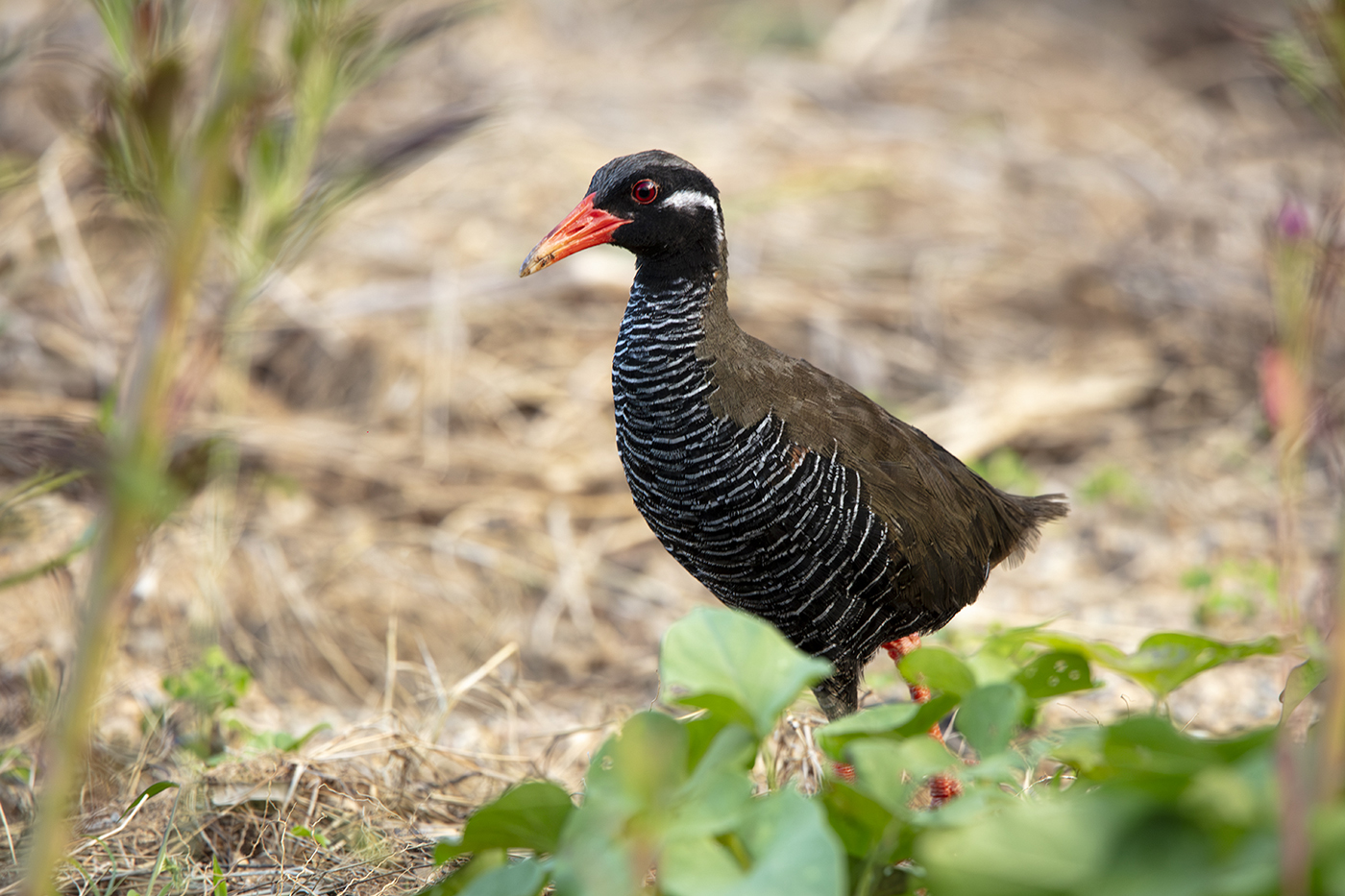
Beyond the winter visitors you will also get to experience the jungles and rolling hills of the Yambaru National Park where the flightless, and endemic, Okinawa Rail is a highly sought after photographic subject.
Embark on an unforgettable journey into the heart of Okinawa’s winter wilderness with my Winter Wildlife Tour of Okinawa—a five-day adventure crafted for wildlife photographers and nature enthusiasts alike. This experience places you in prime locations to capture breathtaking images of the island’s most iconic migratory species as they pass through its diverse landscapes. Our main focus for this tour is to find and photograph highly sought-after winter visitors like the Grey-faced Buzzard, the critically endangered Black-faced Spoonbill, and Japanese Sparrowhawk, all while exploring the wetlands, coastlines, and forests they inhabit.
But the adventure doesn’t end there. As night falls, you’ll trek into the jungles of Okinawa, searching for the island’s unique endemic wildlife, offering a glimpse into its rich biodiversity beyond the seasonal arrivals. From misty coastal mornings to thrilling nocturnal encounters, every moment of the Winter Wildlife Tour is designed to immerse you in the island’s natural wonders.
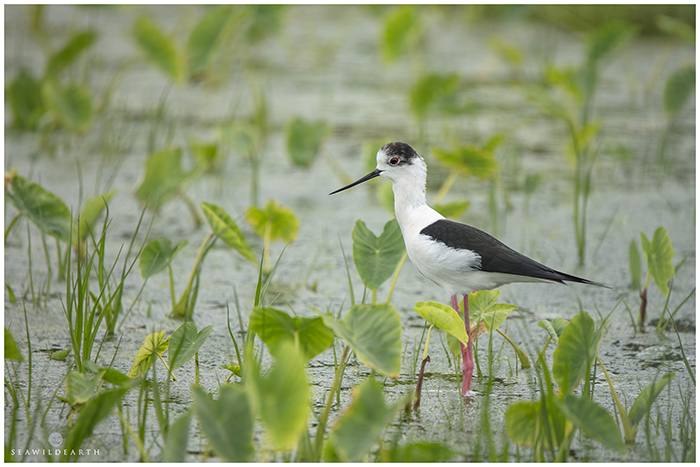
Another winter guest to Okinawa the Black Winged Stilt prefers the expansive rural wetlands of southern Okinawa. This elegant, yet nervous subject, requires calm, purposeful and slow movements of the observer for the best imaging results.
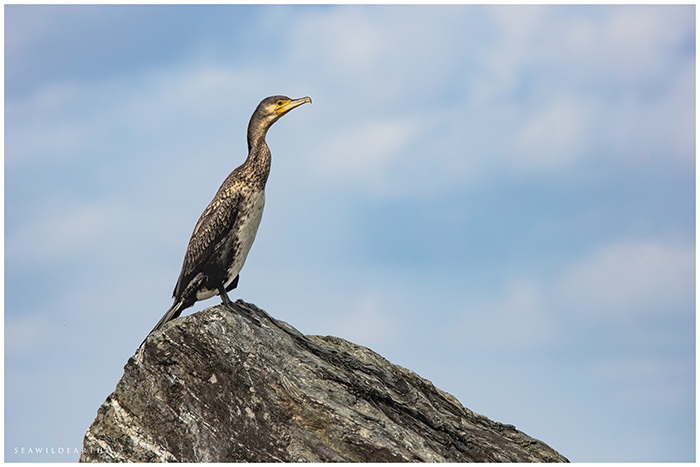
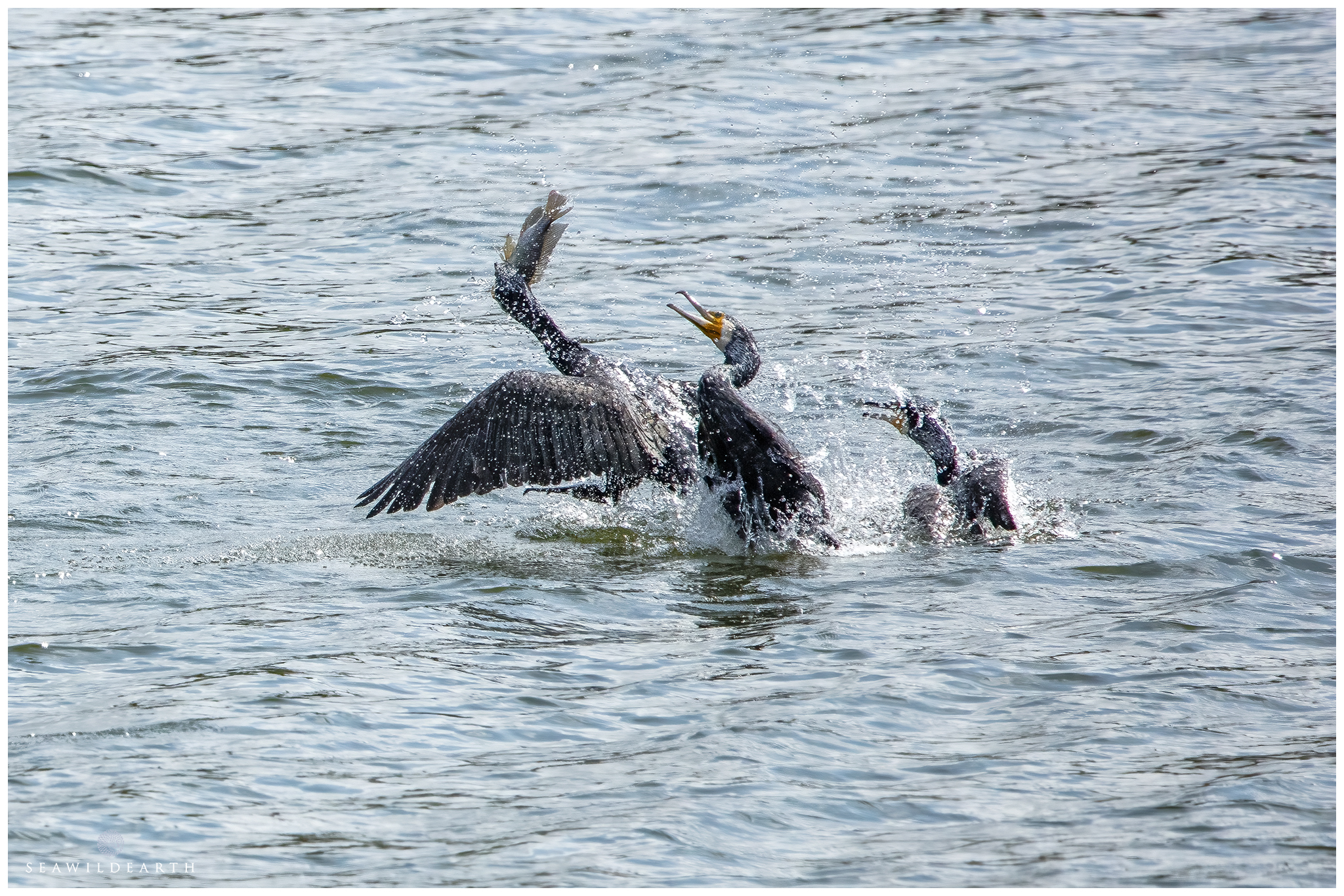
A voracious hunter and skilled fishing bird the Great Cormorant winters in Okinawa with flocks normally found around most Dams, waterways and coastal areas of the island. Melee's often erupt when one catches a fish that others vie for.
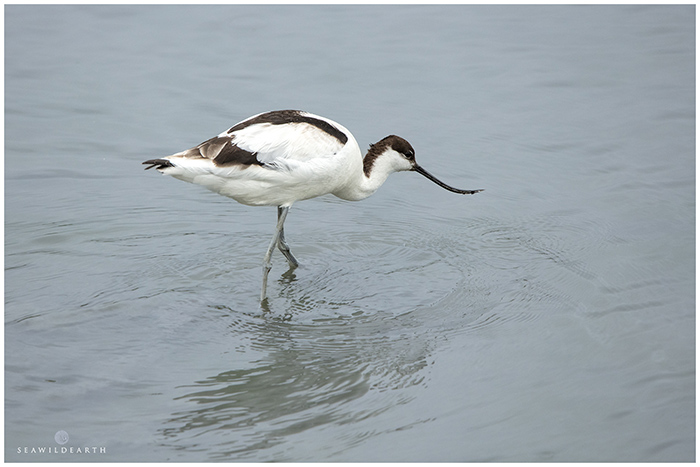
The Pied Avocet is an extremely rare winter visitor to Okinawa. In past years records show single digit arrivals to the island as being the norm. Knowing where to look for these stunning waders with their uniquely shaped bill is key to a successful encounter.
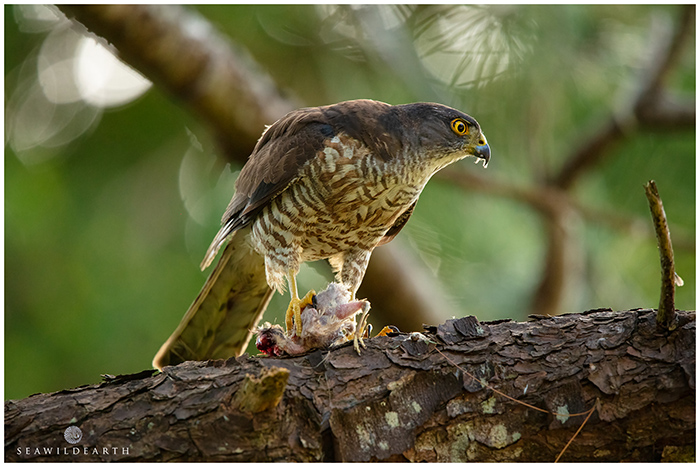
You'll hear the Japanese Sparrowhawk long before you see them. Their piercing shrill call carries on the air forewarning potential prey of the clear and present danger. Voracious in nature, sightings often include birds carrying prey items.
The Black-faced Spoonbill
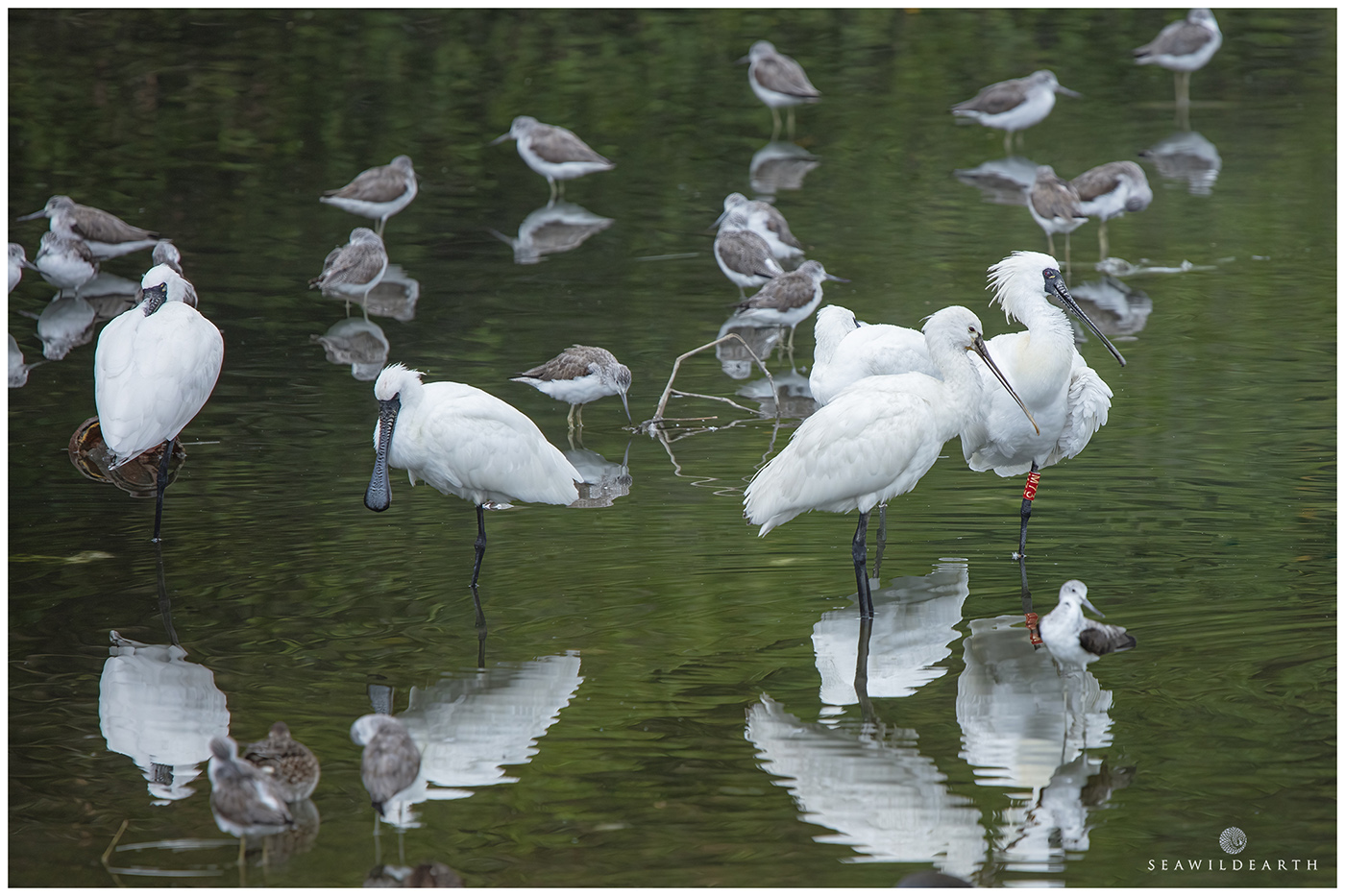
Black-faced Spoonbill's at a favored spot in Naha.
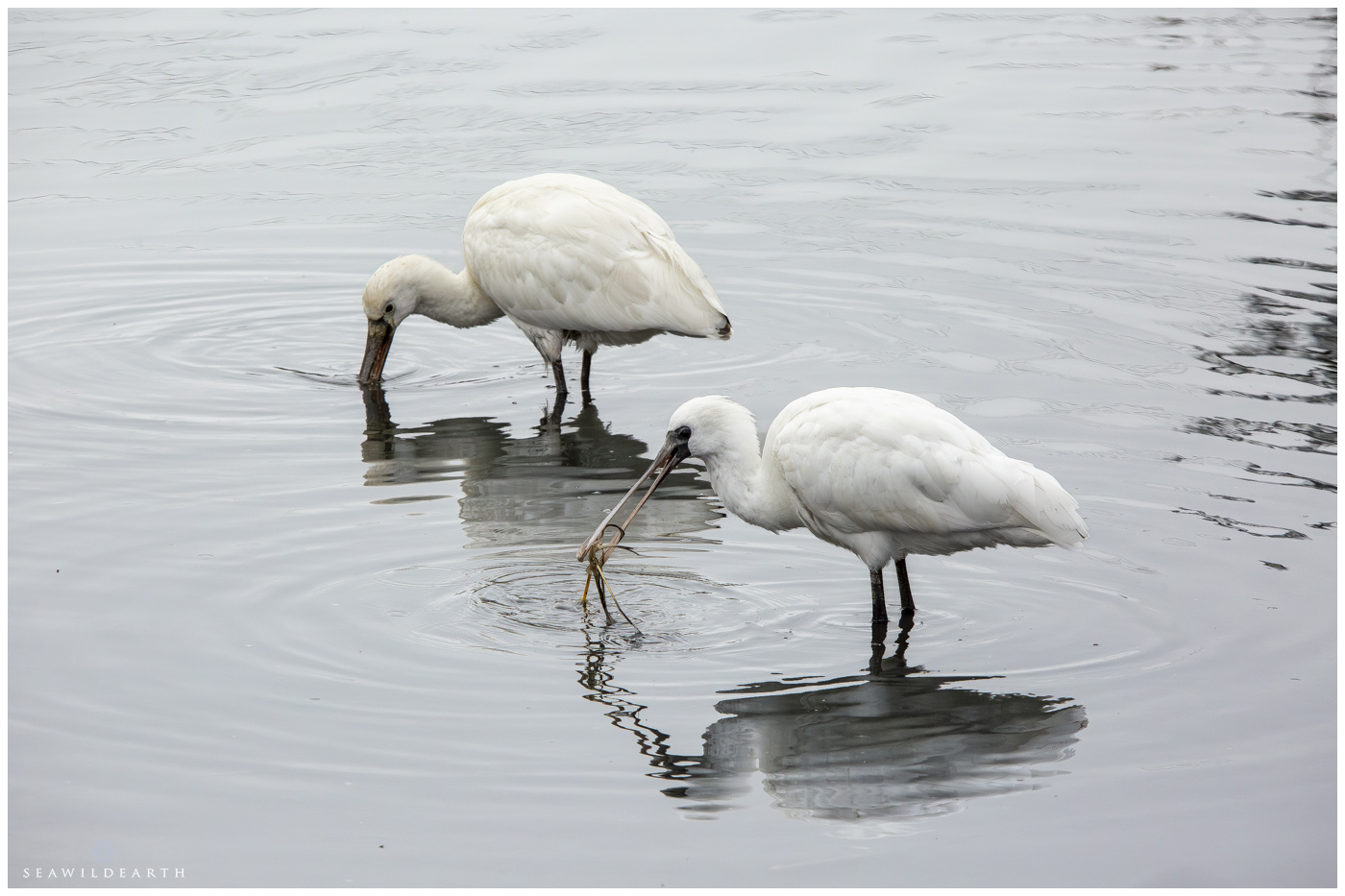
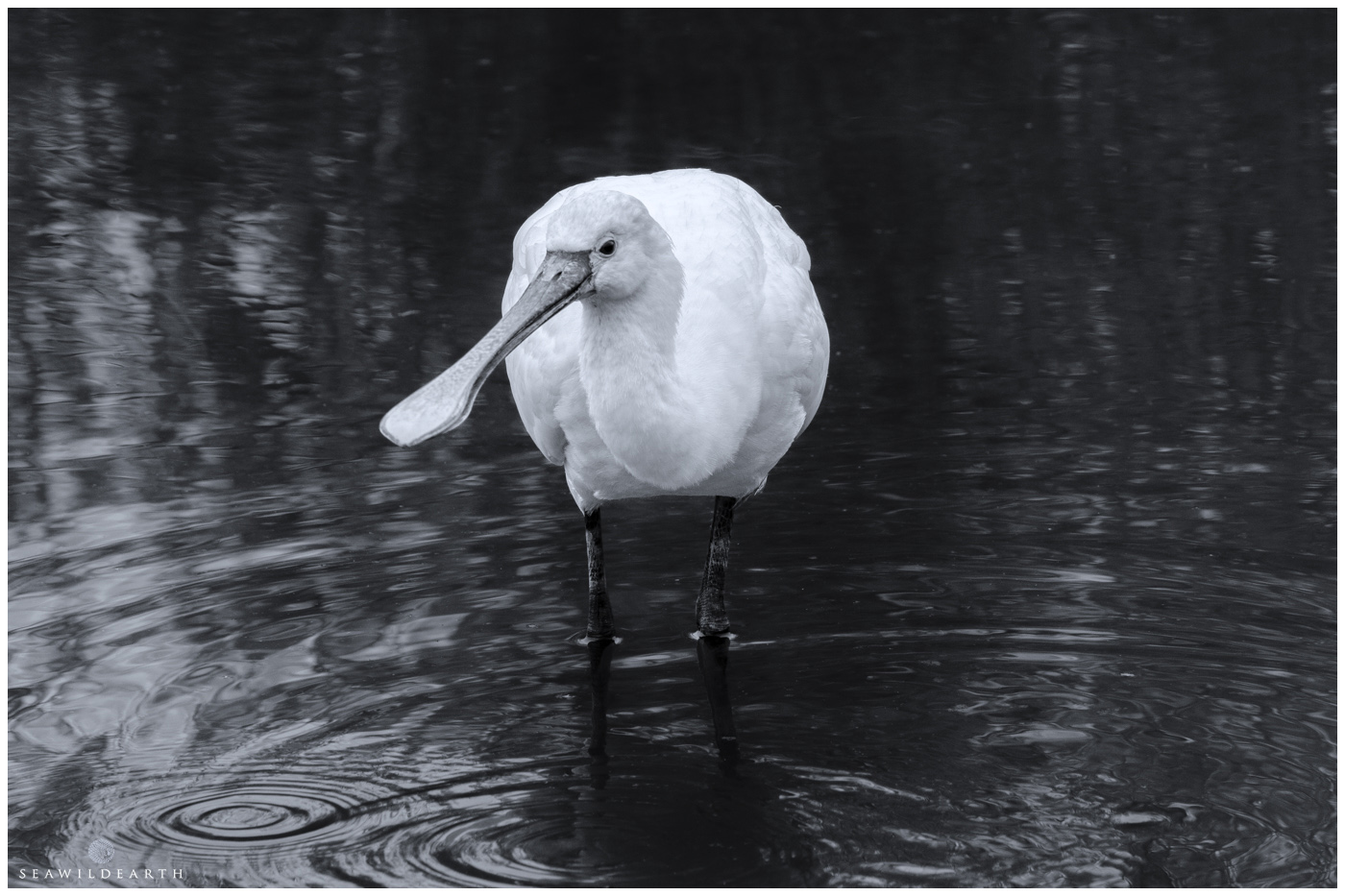
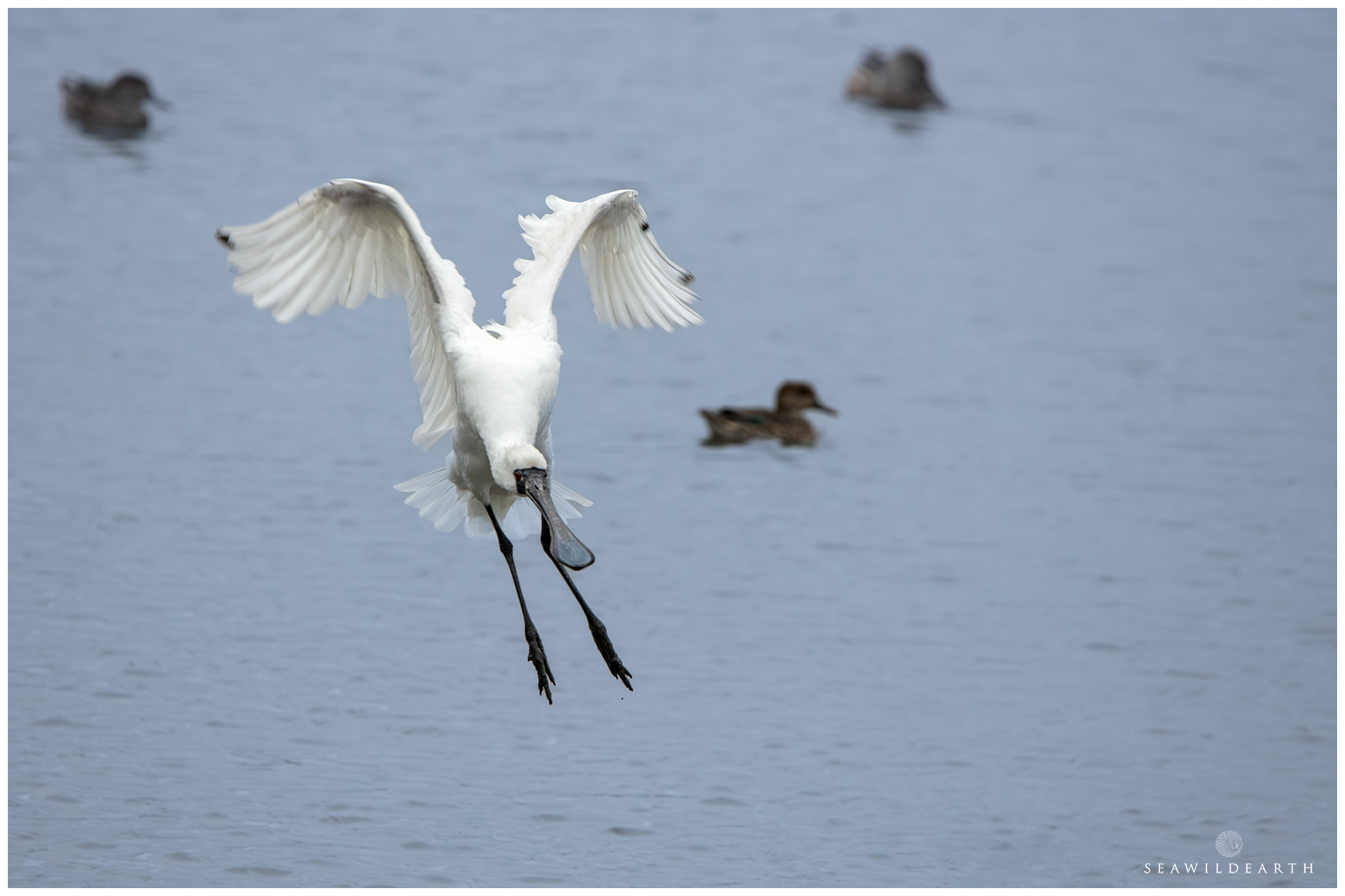
The Black-faced Spoonbill (Platalea minor) is one of the world’s rarest waterbirds, with an estimated global population of fewer than 5,000 individuals. This striking wader, easily recognized by its distinctive black facial skin and spatula-shaped bill, embarks on an annual migration from its breeding grounds in the coastal wetlands of the Korean Peninsula and northeastern China to wintering sites across East and Southeast Asia. Okinawa serves as a crucial stopover and wintering habitat for these endangered birds, with small flocks arriving in the island’s estuaries and tidal flats between October and March. Preferring shallow coastal wetlands and mudflats, they forage by sweeping their specialized bills through the water in search of small fish, crustaceans, and aquatic invertebrates. Conservation efforts across its migratory range, including habitat protection in Okinawa, play a key role in safeguarding this species from the ongoing threats of habitat loss and environmental pollution.
Our search for these winter visitors center around the unlikely backdrop of the metropolitan outskirts of Okinawa's main city, Naha. Just south of the main airport is one particular favorite spot for these impressive birds. This is where our search for them begins. From there we will then take in a number of additional locations they have favored in the past. Beyond the Spoonbills we will also see Egrets, Grey Heron, and numerous other species that share these same environments with them.
Given the scarcity of this species please understand that there are no massive flocks to encounter. Their few numbers that opt for Okinawa as their resting spot are dispersed between a number of locations. In my search over the years for imagery of this species at the most I have seen is a gathering of around 10 individuals in one location. This is a sad reflection on the fragile reality of their perilous conservation status.
The Japanese Sparrowhawk
Next on our winter wildlife tour target list are three bird of prey species that winter in Okinawa. We will be heading to a lesser frenetic area of the island, far from the hustle and bustle of the metropolitan setting preferred by the Black-faced Spoonbill's, in order to encounter them.
First up we have the sleek Japanese Sparrowhawk (Accipiter gularis). This is a small but formidable raptor that arrives in Okinawa during its southward migration each autumn. Breeding in the temperate forests of Japan, Korea, and parts of northeastern China, these agile hunters embark on their seasonal journey to escape the harsh winter conditions of their northern breeding grounds. As temperatures drop and prey becomes scarce, they move toward warmer climates, with some individuals overwintering in Okinawa, while others continue further south to the Philippines and Southeast Asia. During migration, they are often seen soaring over the island’s forests and coastal areas, taking advantage of thermals to conserve energy. Once settled in Okinawa, they hunt small birds and insects, displaying impressive aerial agility as they navigate the subtropical woodlands. Their seasonal presence highlights the island’s role as a critical stopover for raptors moving along the East Asian flyway.
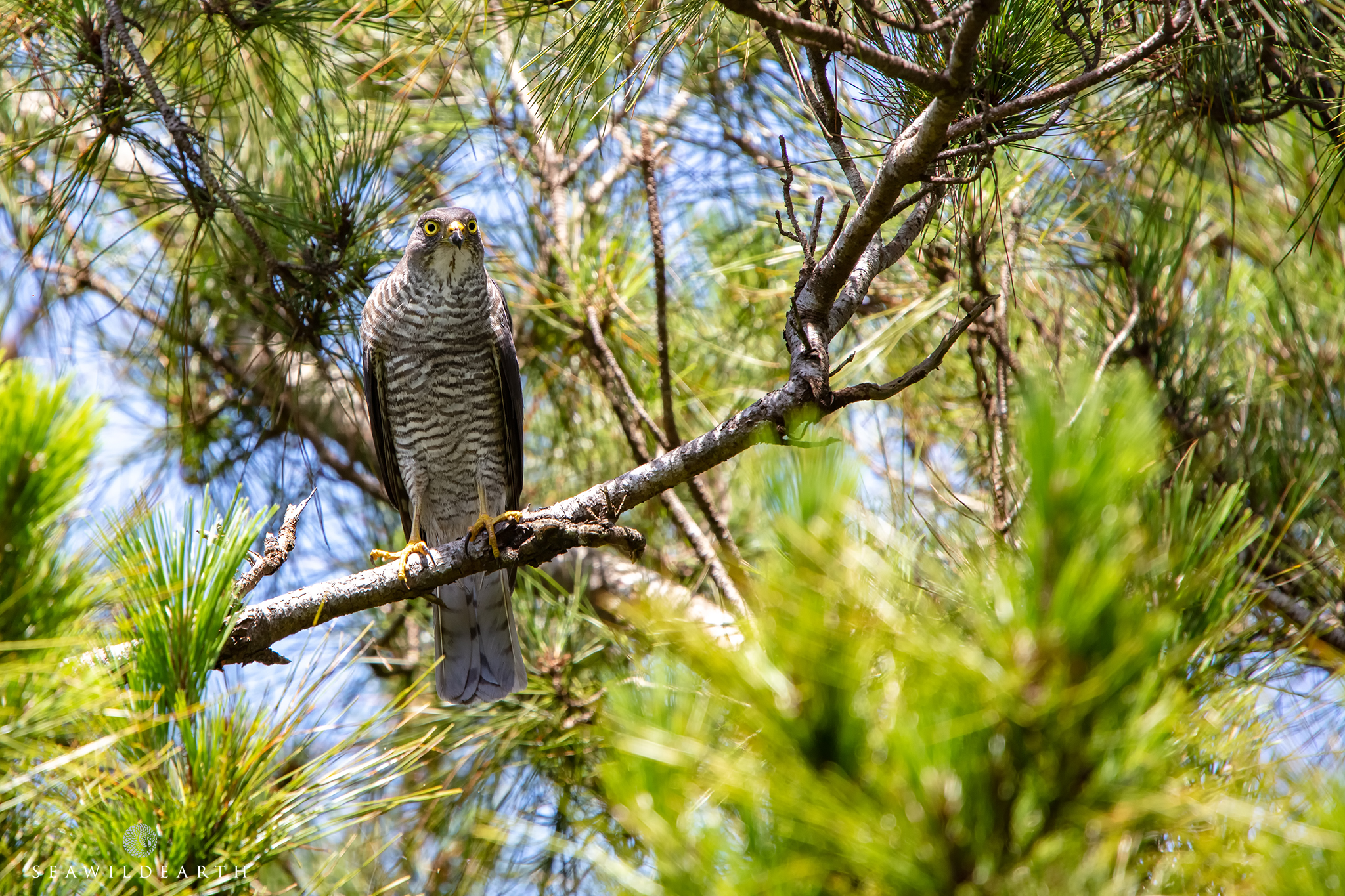
The sleek yet deadly agile Japanese Sparrowhawk fixes its gaze on a potential target.
The Grey Faced Buzzard
The Grey-faced Buzzard (Butastur indicus) is a medium-sized raptor that arrives in Okinawa each autumn as part of its long-distance migration across East Asia. Breeding in Japan, Korea, and parts of northeastern China, these hawks, for pretty much the same reasons as the above mentioned Japanese Sparrowhawks, migrate southward in large numbers to escape the freezing winters of their breeding grounds that makes survival challenging. Okinawa serves as both a stopover site and a wintering destination for some individuals, while others continue their journey to the Philippines and Southeast Asia.
During migration, these buzzards can often be seen gliding effortlessly on thermal currents, passing over the island’s coastal cliffs and forests. Once settled, they favor open grasslands and agricultural fields, where they hunt small mammals, reptiles, and large insects. Their arrival each year marks a seasonal spectacle, drawing birdwatchers eager to witness the impressive passage of raptors through Okinawa’s skies.
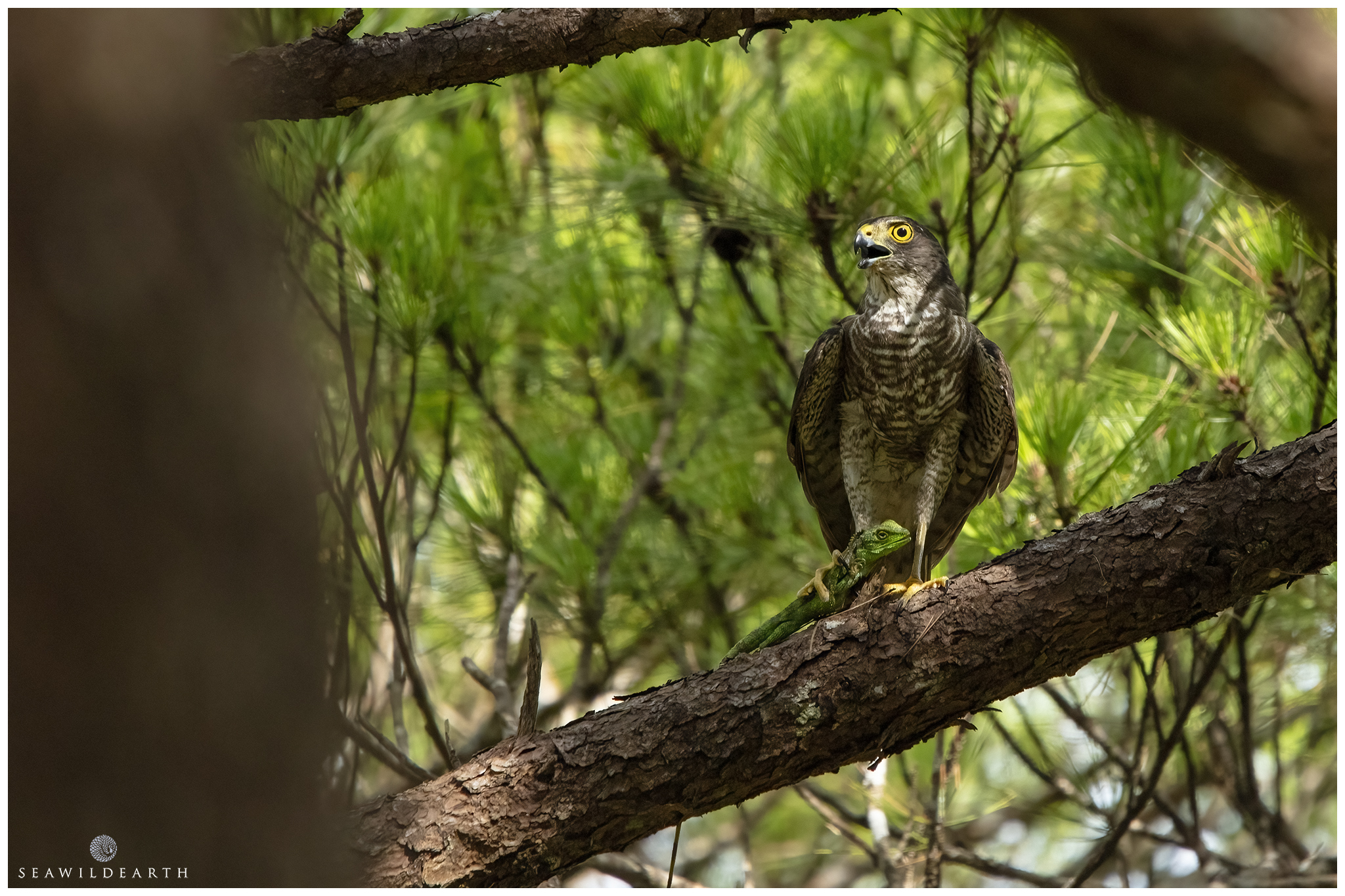
A young Grey Faced Buzzard with one of its favored prey items, a Ryukyu Tree Lizard.
The Osprey
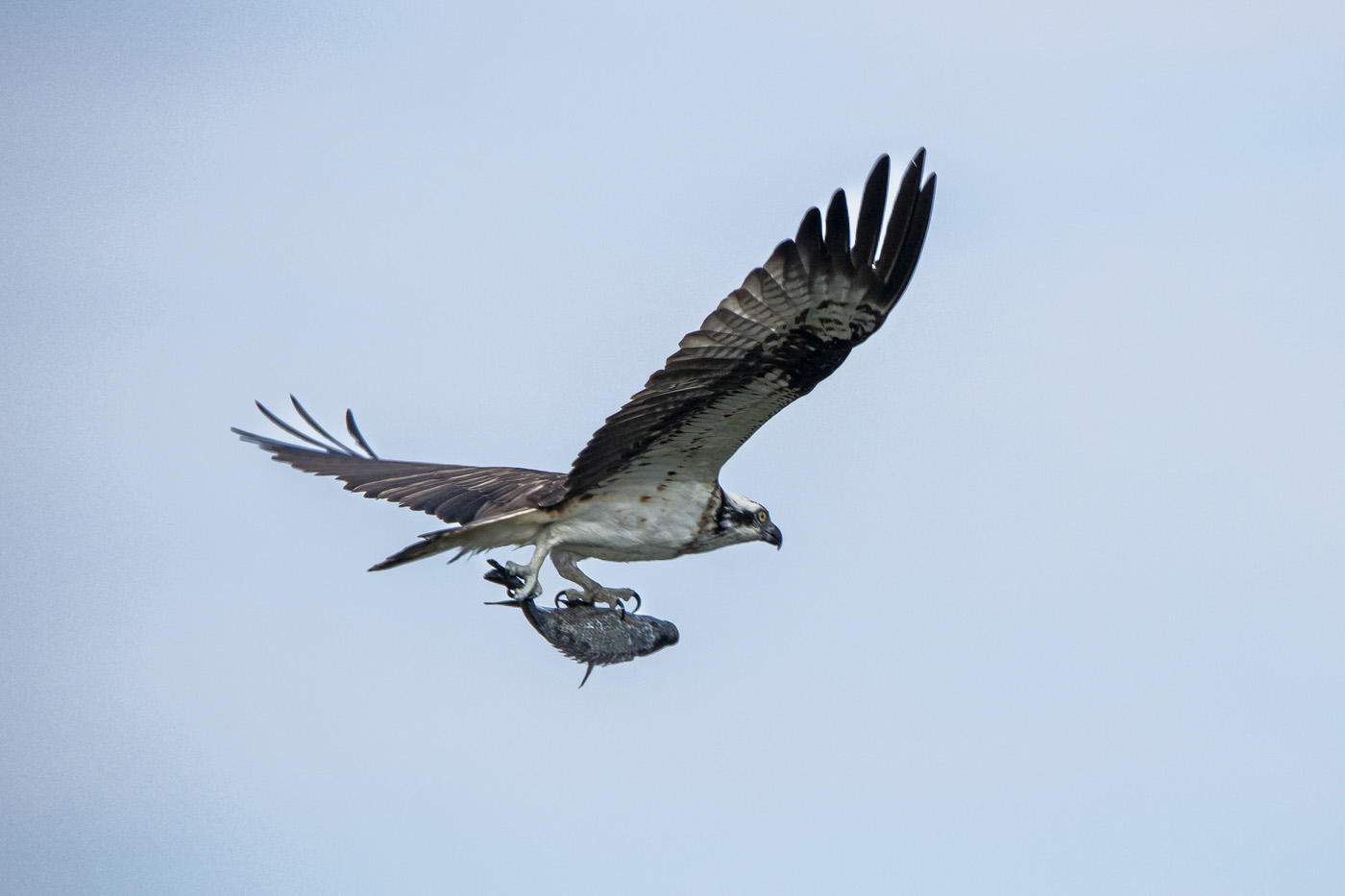
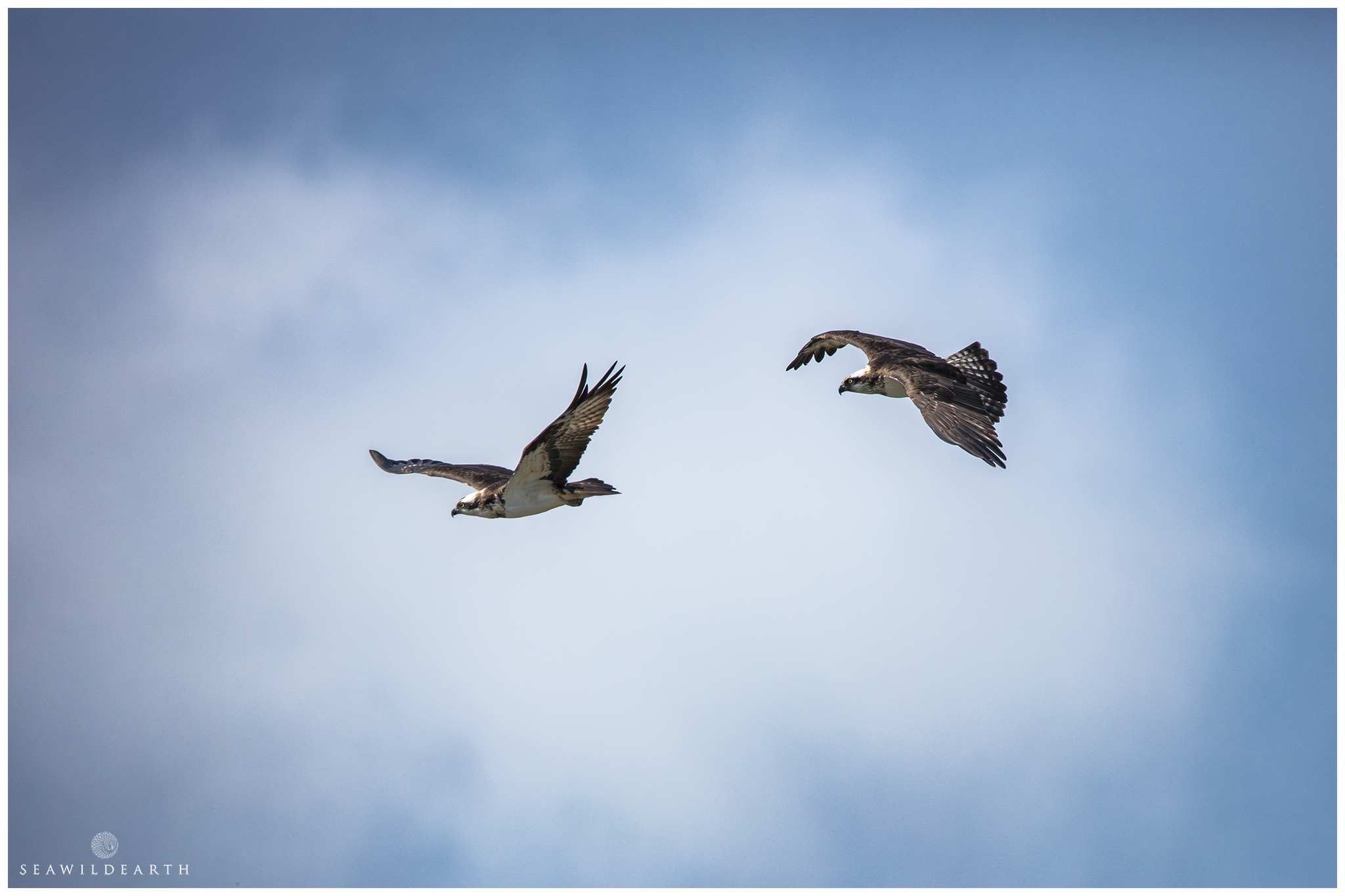
The Osprey (Pandion haliaetus), a masterful fish-hunting raptor, arrives in Okinawa during the cooler months as part of its migratory cycle across East Asia. While some Ospreys remain year-round residents, particularly in the Ryukyu Islands, many individuals migrate from breeding grounds in Japan, Korea, and eastern Russia to escape the harsh winter conditions and dwindling fish supplies in northern waters.
These seasonal visitors take advantage of Okinawa’s mild climate and abundant coastal fisheries, where they can be seen hovering over shallow bays, rivers, and dams before plunging feet-first to snatch fish with their sharp talons. Their striking black-and-white plumage and distinctive hunting behavior make them a prominent sight along Okinawa’s coastlines, adding to the island’s rich raptor diversity. Their call is a shrill and piercing "Keeeeee" which they can be heard making as they ride thermals above their hunting grounds. As winter fades and temperatures rise, migrating Ospreys begin their return journey northward, marking the ebb and flow of seasonal movement along the East Asian flyway.
Our vantage point to seek out this species also allows for imaging of Greater Cormorants, Little and Great Egrets as well as Blue Heron and the fleeting Common Kingfisher. This is a diverse avian retreat on the island where anything can, and often does happen from one minute to the next. If you're lucky you may even see what I term as a 'food fight' between the Greater Cormorants as they hunt predominantly for Telapia fish. When one bird catches a fish, which normally take some juggling to swallow, it signals a free for all as in the no love lost world of Cormorants all within competing distance go about trying to snag the prize. Mayhem.
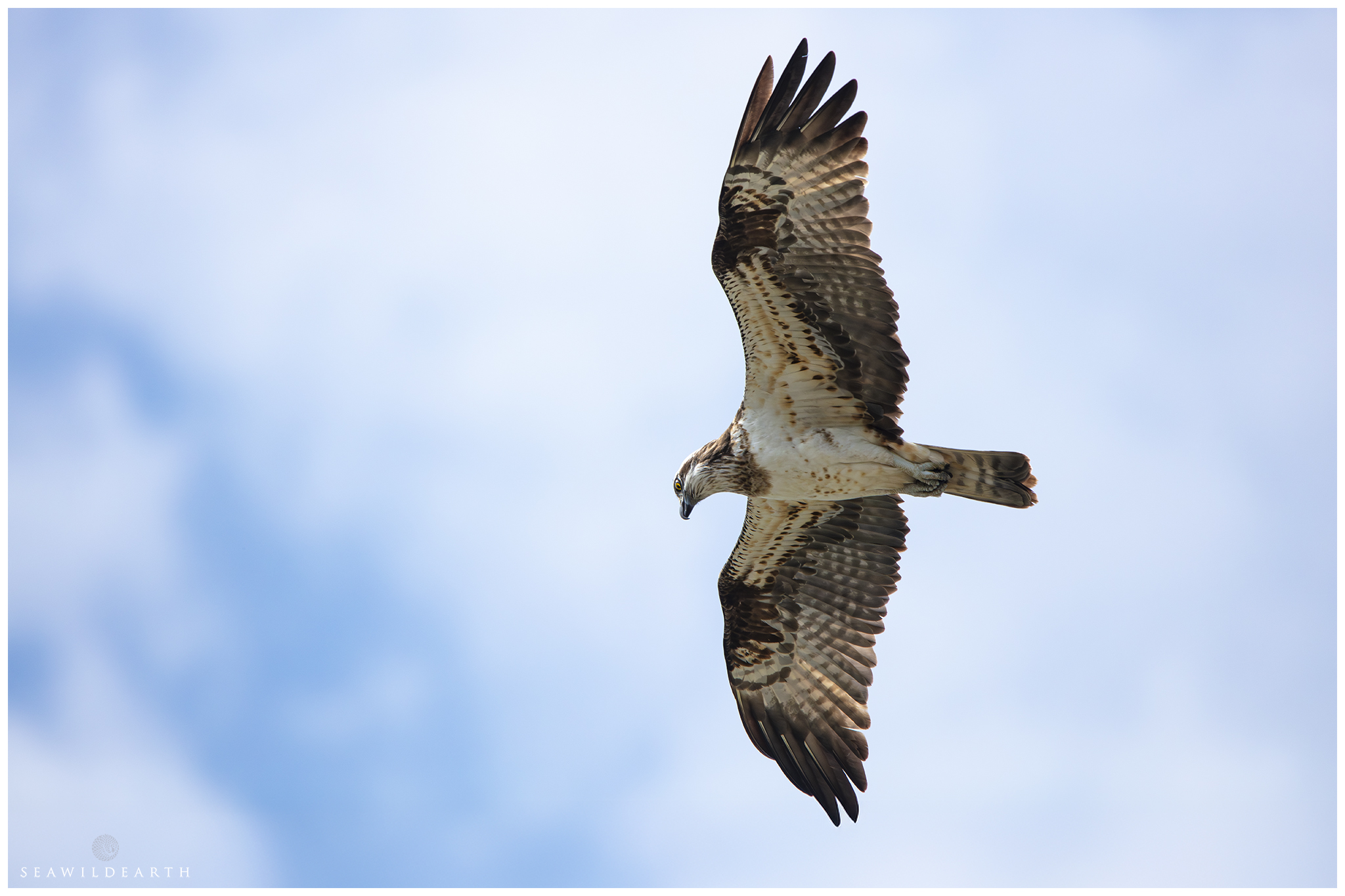
An Osprey rides the thermals above the dam where we will be heading to hopefully watch them as they hunt for and capture their prey.
Into the Green Beating Heart of Okinawa
At this point in the trip you'll be checking out of your Hotel accommodation in Southern Okinawa, our focus turns northwards, way northwards, to the green rolling hills of the 'Yambaru'. The Yambaru jungles of northern Okinawa are a vast expanse of subtropical rainforest, teeming with biodiversity and offering a rare glimpse into an untouched natural world. Home to endemic species, two of which are our next target encounters, namely the Okinawa Rail and the Ryukyu Robin, these dense forests provide a sanctuary for wildlife found nowhere else on Earth.
Towering broadleaf trees, interwoven with vines and moss-covered trunks, create a serene and almost mystical atmosphere, broken only by the calls of birds and the rustling of unseen creatures. Beyond the forest, rugged shorelines of volcanic rock and hidden coves meet the turquoise waters of the Pacific, offering breathtaking contrasts between land and sea. Scattered among the hills and valleys, small villages maintain Okinawa’s traditional way of life, where farming, fishing, and deep cultural ties to nature endure. Yambaru is not just a destination—it is a journey into the wild heart of Okinawa, where time slows, and nature’s rhythm takes over.
The Okinawa Rail
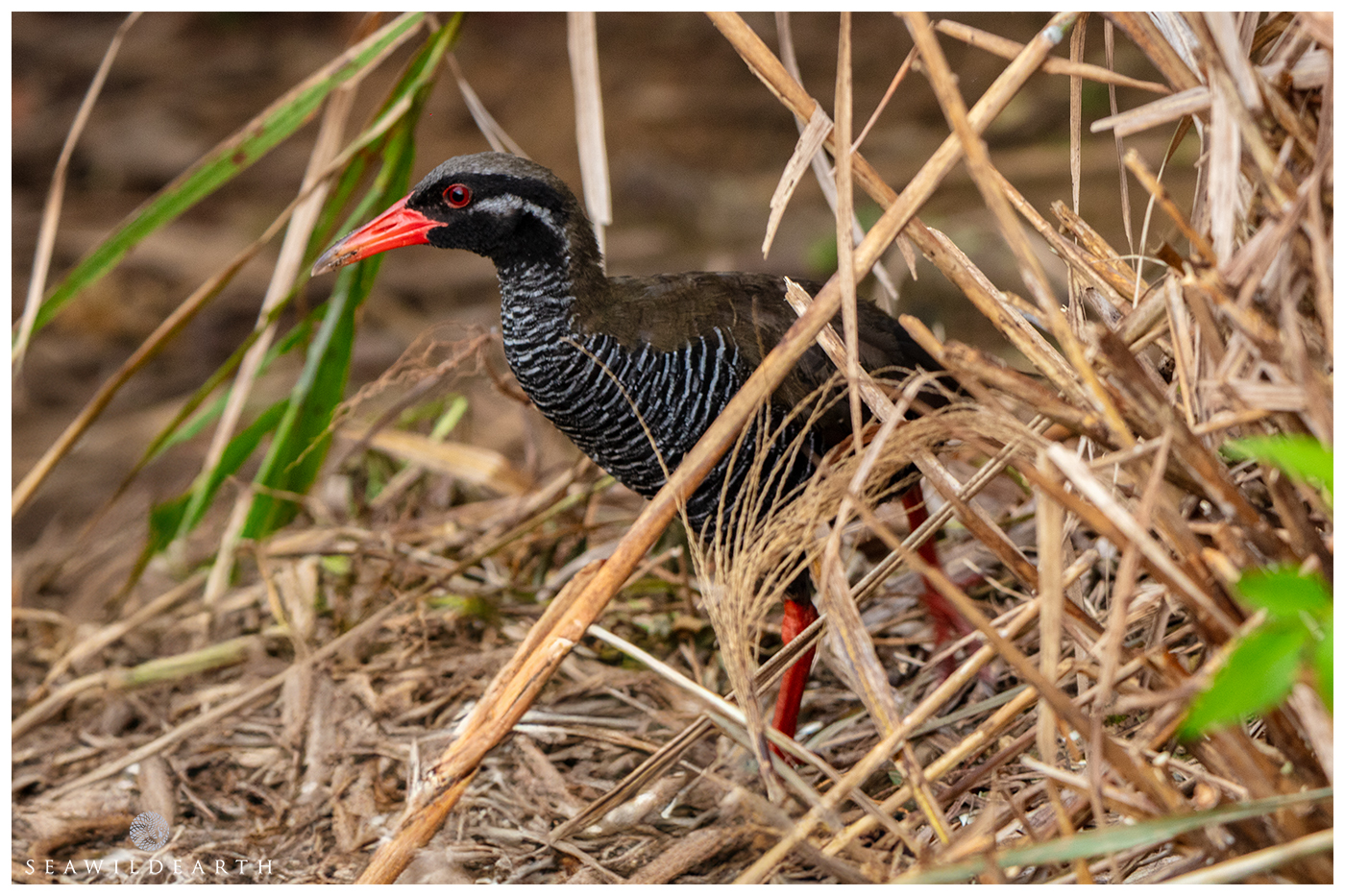
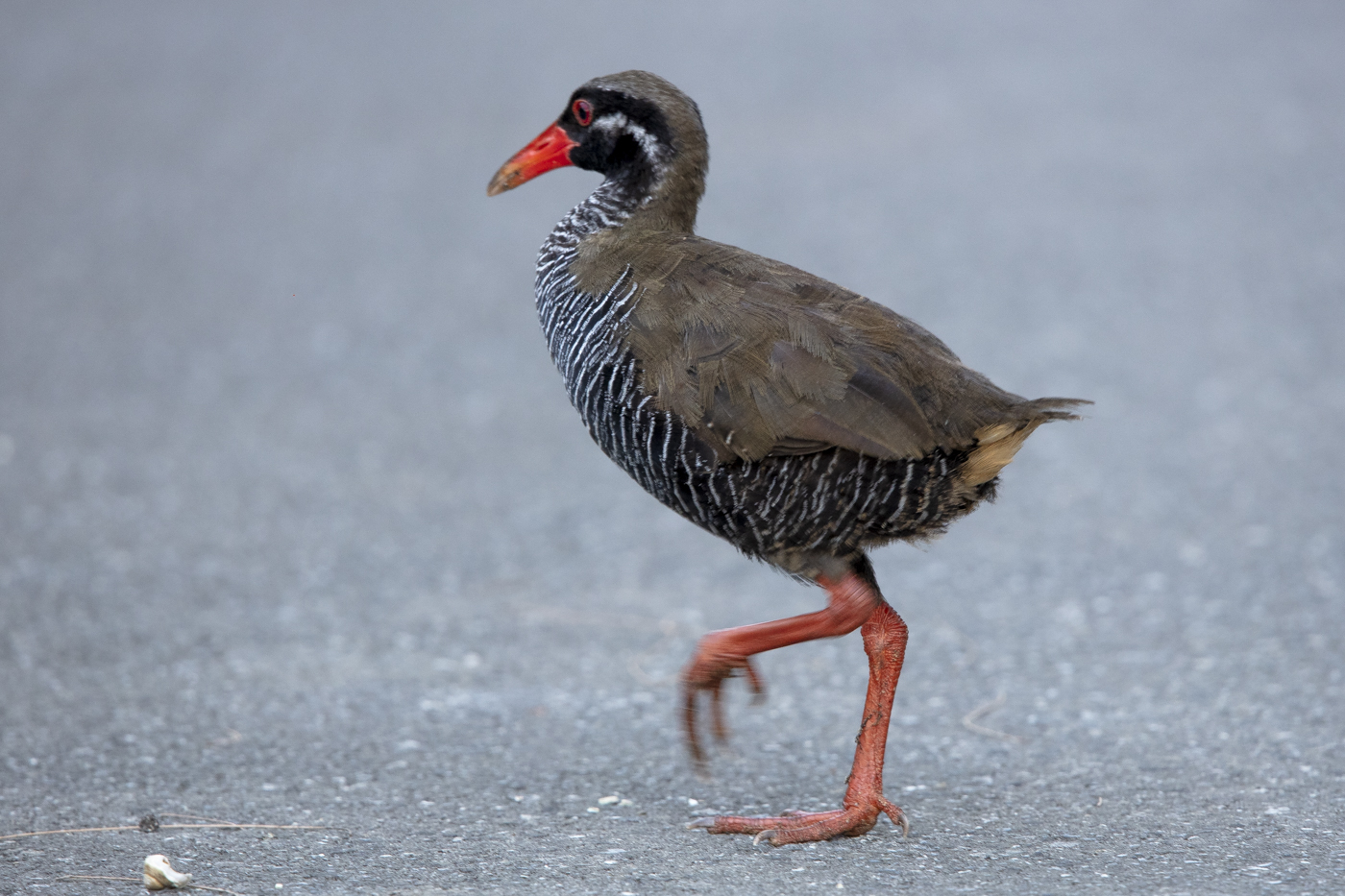
The illusive Okinawa Rail, an endangered and flightless bird endemic to the jungled northern regions of Okinawa Island.
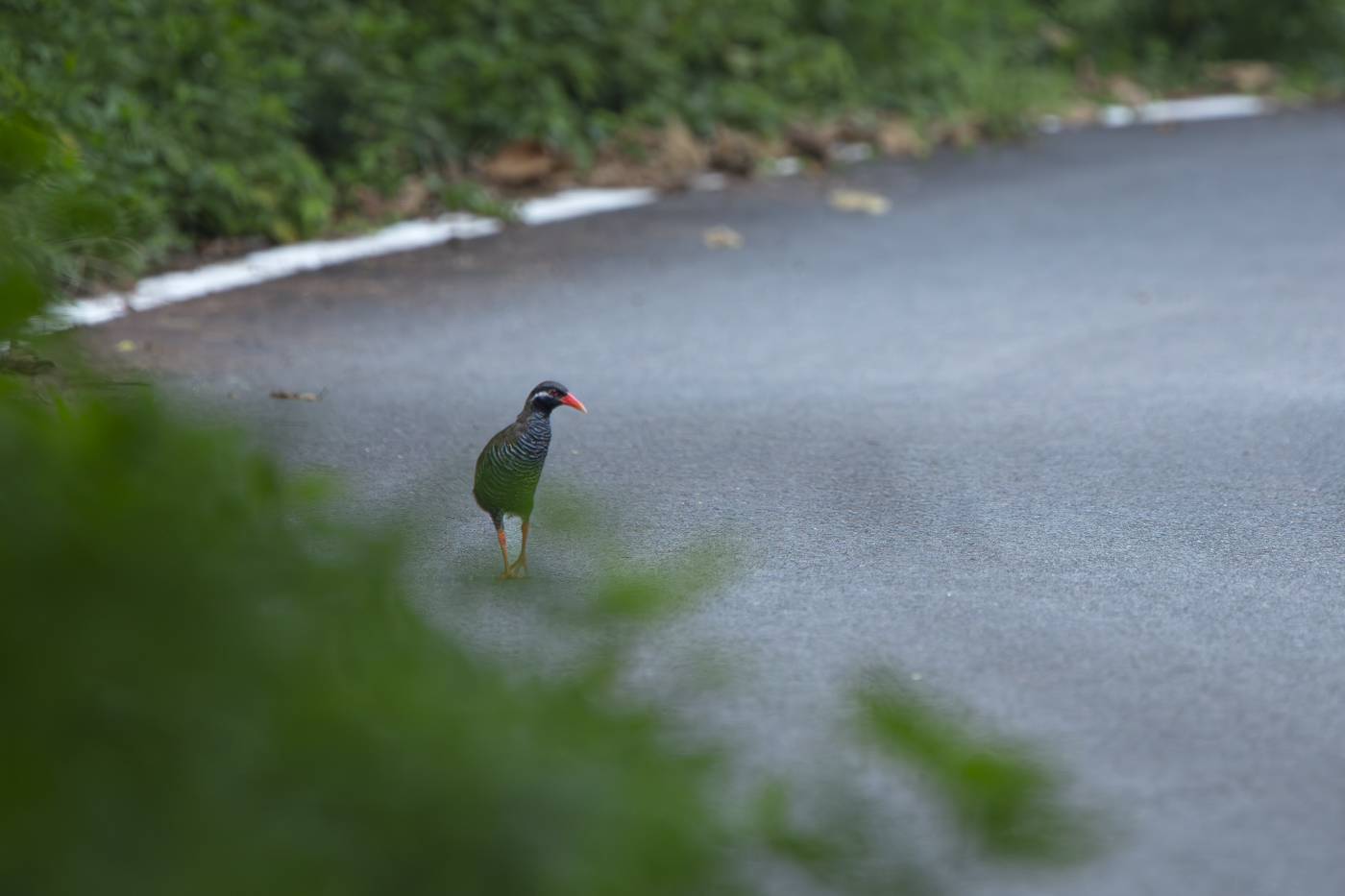
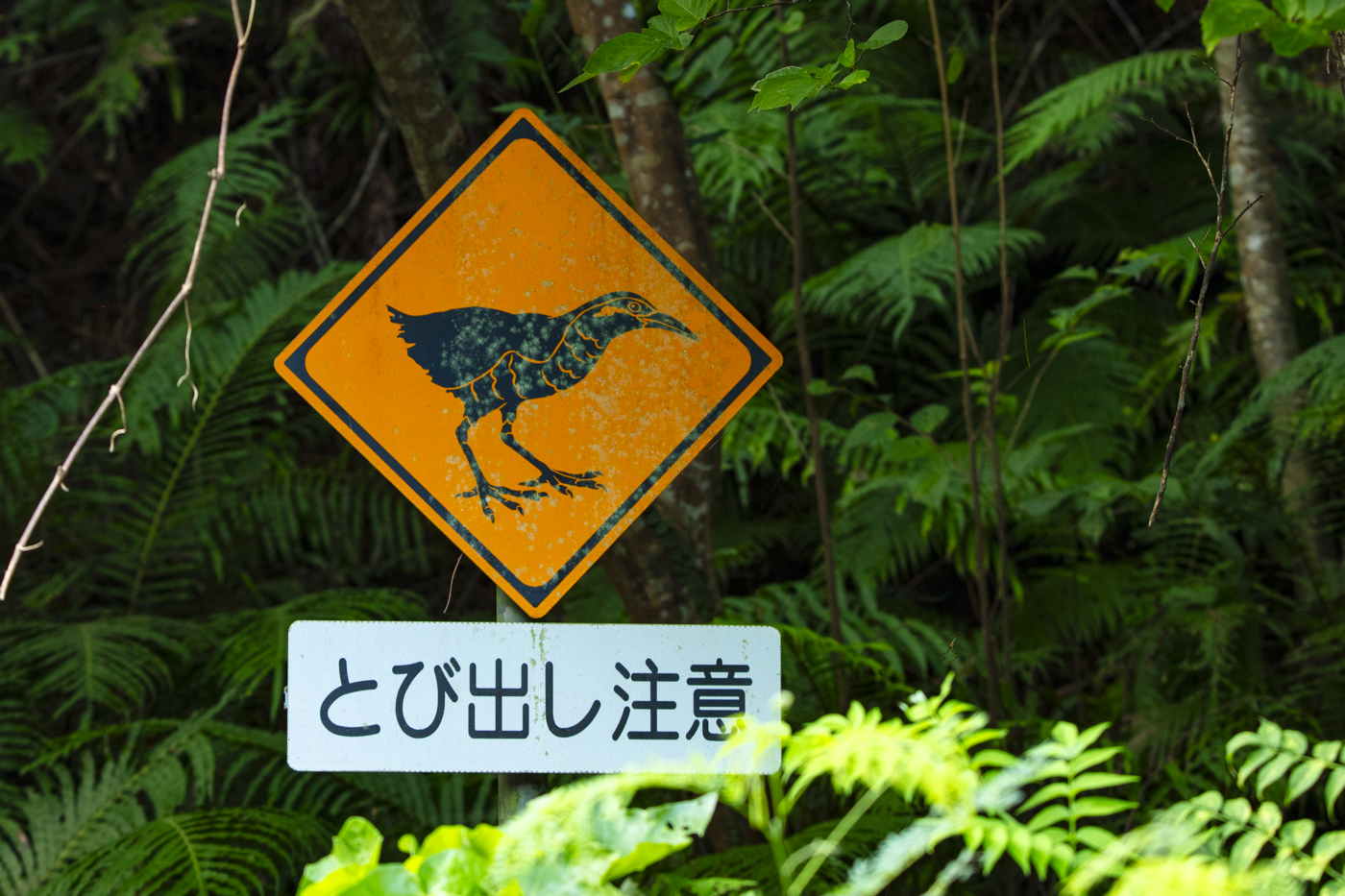
The Okinawa Rail (Gallirallus okinawae), or Yanbaru Kuina as it is locally known, is a rare, flightless bird found only in the dense forests of northern Okinawa. With its striking red beak and legs, this secretive species lives in the thick undergrowth of the Yambaru jungles, where it forages for insects, small amphibians, and fruit. Invariably all most people see of this amazing bird is a flash of black and red as it dashes across roads scared by approaching car noise. With the right guide however, that becomes a different story. Sadly, its survival is under constant threat, primarily from the mongoose, an invasive predator introduced to Okinawa in the 20th century to control venomous snakes.
Given the mongoose is active during the daylight hours while most reptiles are dormant and hide from the heat of the day forced the mongoose to focus its dietary attention away from the intended fare. Instead, the mongoose has devastated native wildlife, including the Okinawa Rail, by preying on its eggs and young. This scenario mirrors that experience in Fiji where again mongoose were introduced to tackle snake populations in the sugar cane fields but now also wreak havoc on local wildlife.
In addition to predation, habitat loss due to deforestation and road expansion has further fragmented its already limited range, increasing the risk of vehicle collisions. Conservation efforts, including controlled trapping of mongoose and habitat protection initiatives, have helped stabilize the population, but the Okinawa Rail remains endangered, a fragile symbol of the island’s unique biodiversity and the ongoing fight to preserve it.
The Ryukyu Robin
Our final target species for this trip may be the smallest, but it sure makes up for with its amazing calls. The Ryukyu Robin (Larvivora komadori) is a small, vibrant songbird endemic to the Ryukyu Islands, including Okinawa, where it thrives in the dense, shaded undergrowth of the Yambaru jungles. With its striking contrast of a deep orange-red breast and dark plumage, this elusive bird is more often heard than seen, its melodious song echoing through the forest’s towering trees.
Preferring the cool, undisturbed depths of the jungle, the Ryukyu Robin forages on the forest floor for insects and small invertebrates, playing a crucial role in the ecosystem. However, like many of Okinawa’s native species, it faces threats from habitat loss due to deforestation and human encroachment. Conservation efforts have been crucial in protecting its remaining habitat, ensuring that this rare and charismatic bird continues to sing in the heart of Okinawa’s ancient woodlands.
Both of these species can be found in the north eastern pocket of the island and it is there we focus on in our search for them. Given the lack of tourism infrastructure in this region we will be staying at a resort option some 30minutes drive south from our planned encounter locations. As with most avian species the optimum times of day to encounter them are at the crack of dawn and, especially for the Okinawa Rail, at dusk.
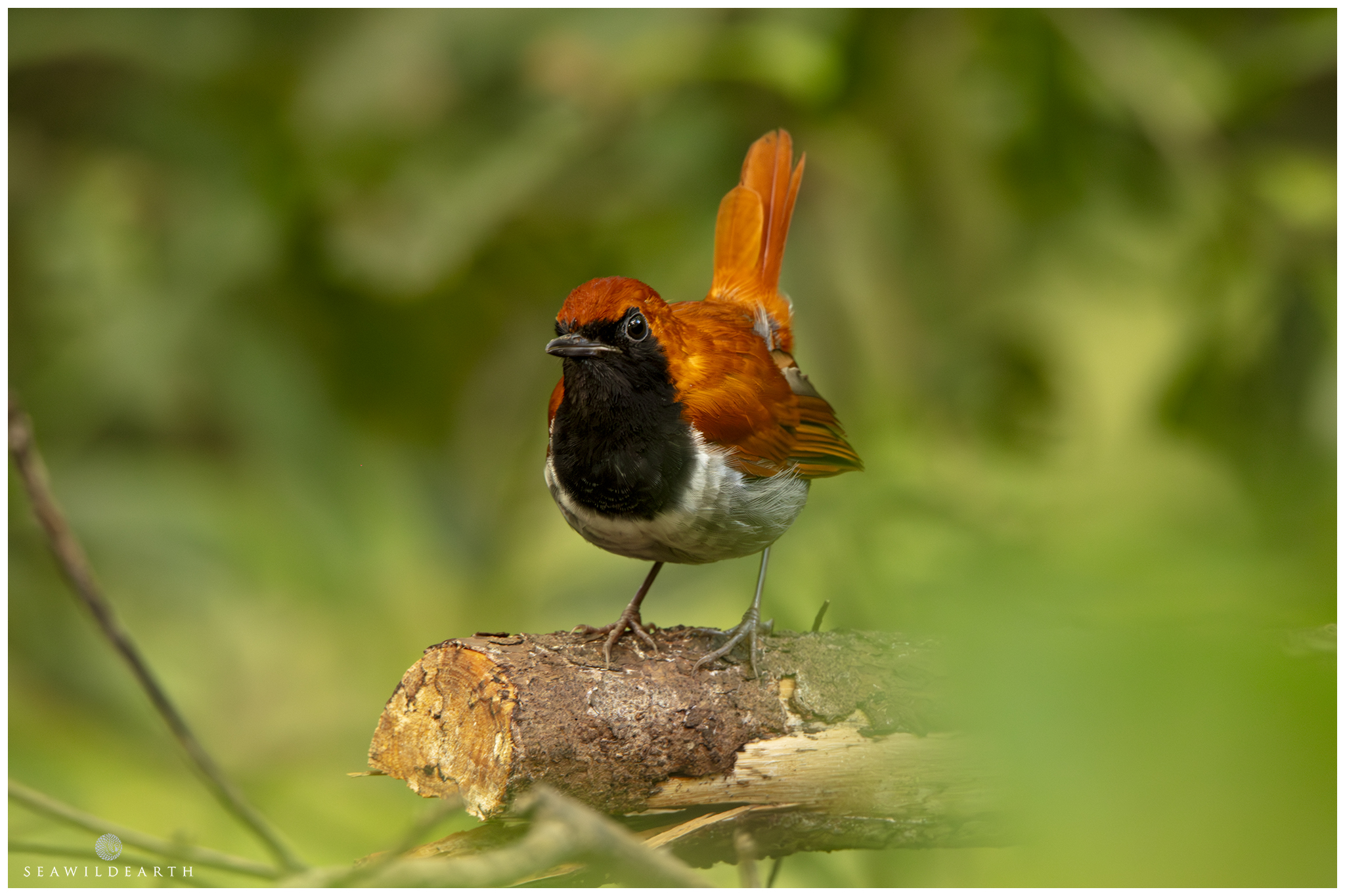
Small yet incredibly packaged. What the Ryukyu Robin lacks in size it certainly makes up for with chirpiness and aesthetic presentation.
Winter Wildlife Tour - A Walk on the Wild Side
Wrapping up your five day winter wildlife tour we look to go out with as big a bang as that which started this amazing adventure. In our search for the Okinawa Rail and Ryukyu Robin we will be based in forest cabins in the very north of the island, smack bang in the middle of one of the most biodiverse areas within the Yambaru. During the evenings I'll be taking you into the dark jungles of northern Okinawa to see what stirs after dark. A night walk through the Yambaru jungles of northern Okinawa unveils a hidden world of nocturnal creatures, each adapted to thrive in the darkness. The air hums with the calls of winged critters and myriad frog species, creating an eerie yet mesmerizing soundscape.
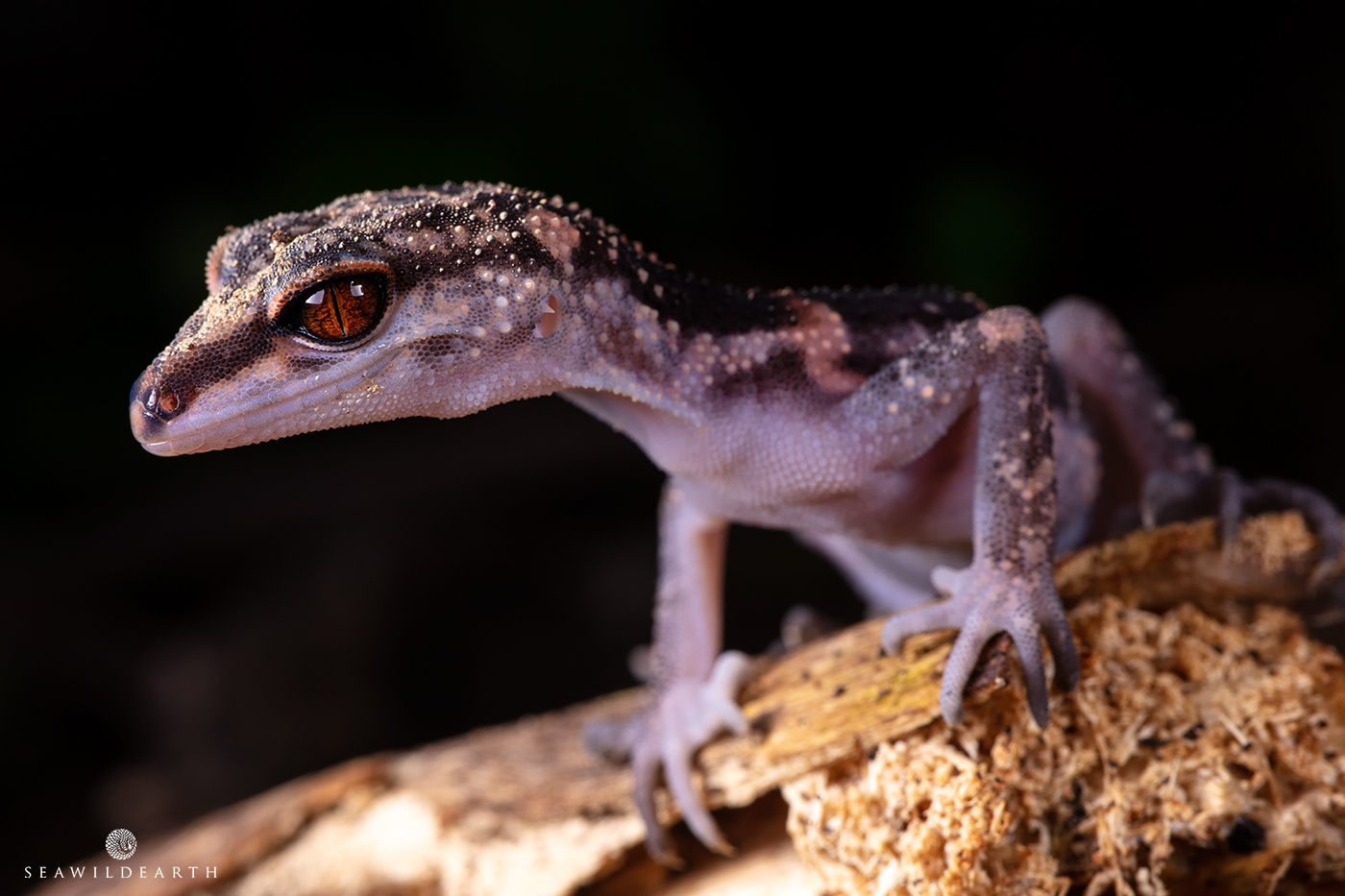
Among this dense foliage, the Okinawa Tree Frog clings to leaves, its bright green body blending seamlessly with its surroundings, while the Ryukyu Tip-nosed Frog, a species unique to the region, emerges from the leaf litter in search of insects. High in the canopy, the Ryukyu Flying Fox, a large fruit bat, glides between tree branches, feeding on figs and other native fruits. Occasionally, the soft rustling of leaves might bring you face to face with one of my favorite species of gecko, namely Kuroiwa's Ground Gecko. Its eyes reflecting red under the glare of lamps or the camera flash, giving it a definite 'Terminator-esque' appearance.
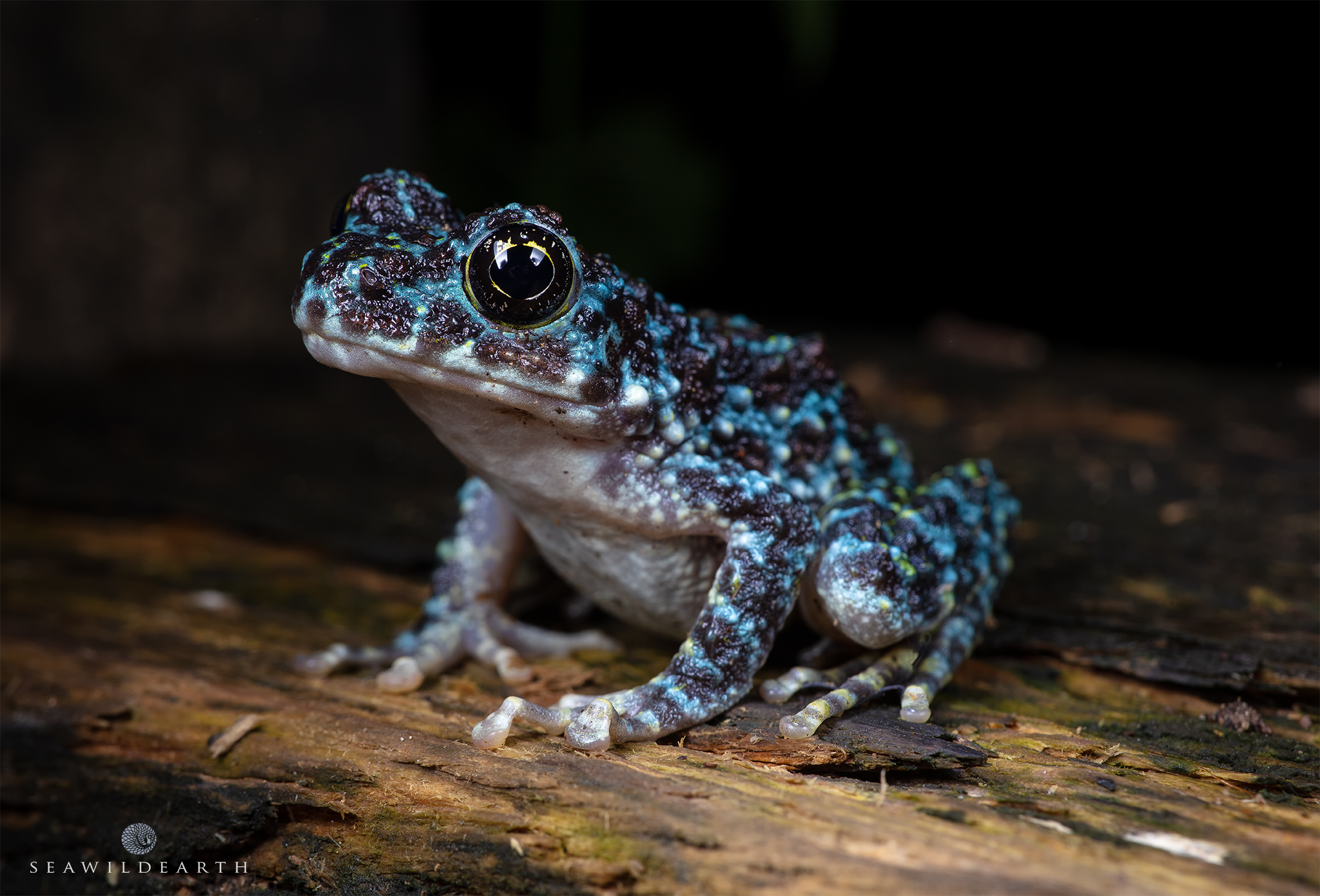
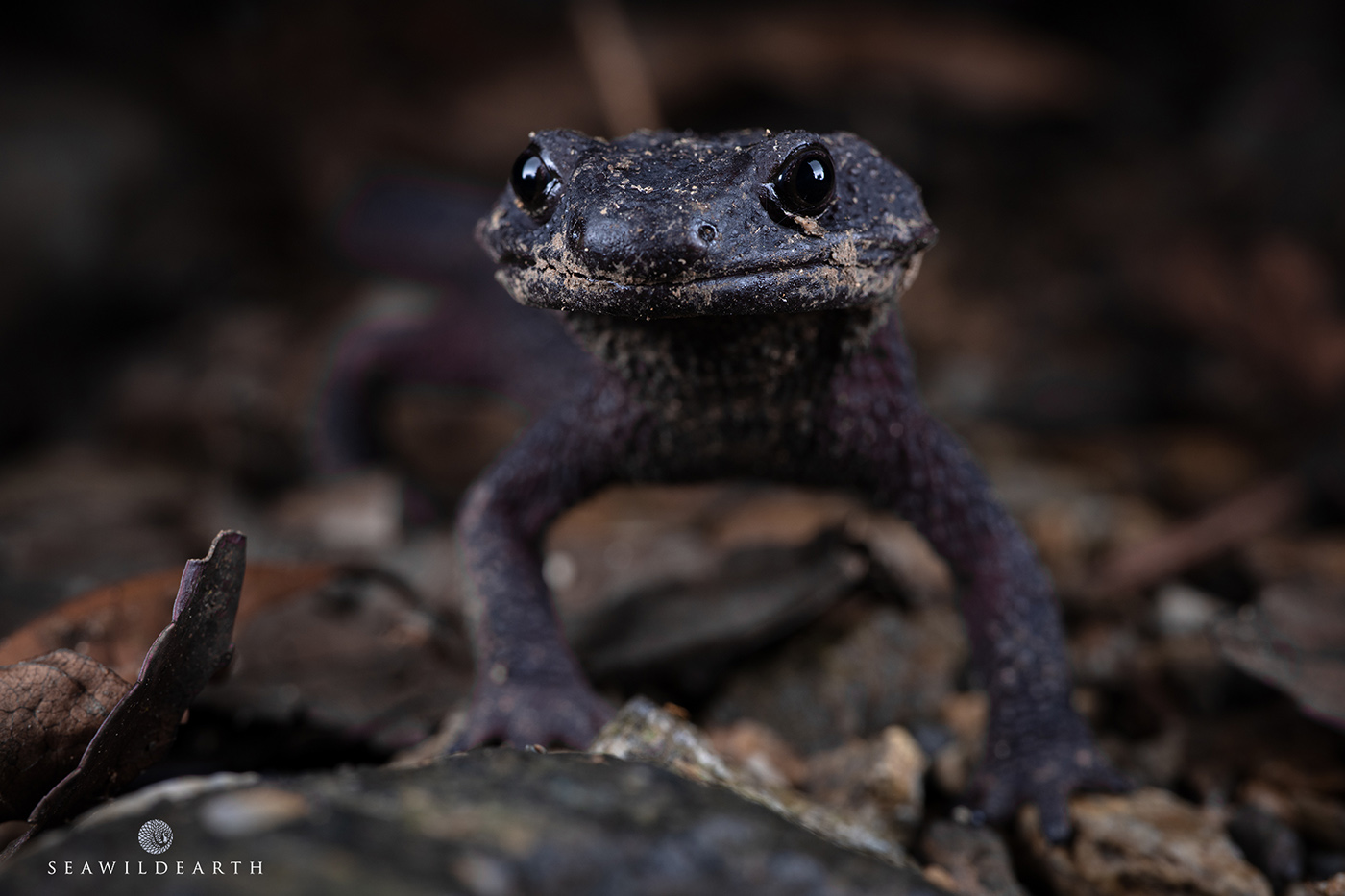
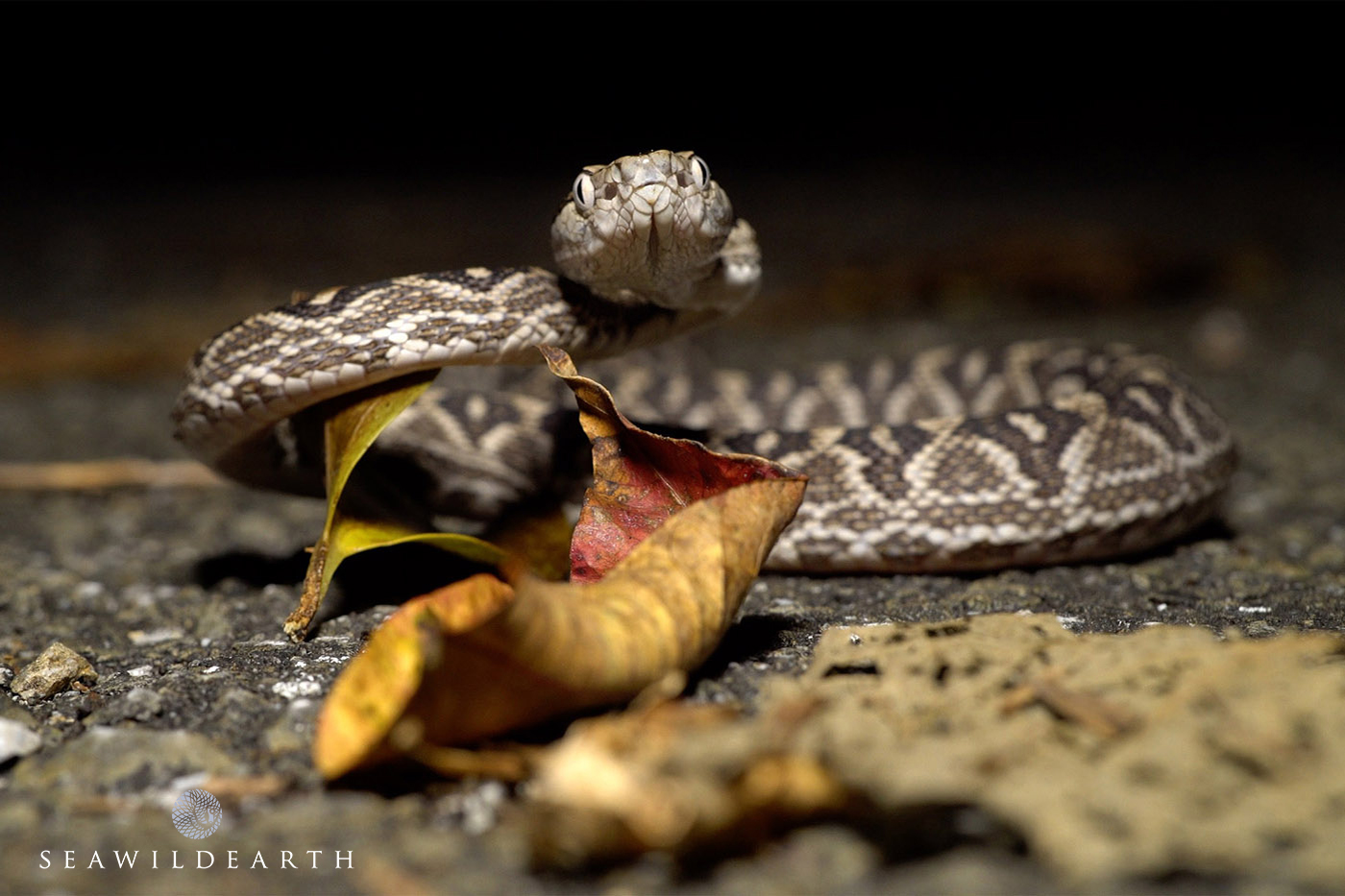
Deeper into the jungle, more elusive creatures appear. Anderson's Crocodile Newts emerge from damp recesses to forage amongst the leaf litter. Almost dinosaur looking they take a keen eye to spot given their incredible camouflage against the dark jungle floors. Slithering across the trail, the Hime Habu, one of three infamous and venomous Habu Pit Viper snake species that reside in Okinawa, hunts for small frogs and lizards. Sharp-eyed observers might even catch a glimpse of the 'Holy Grail' of amphibians to be found in these rolling green hills, Ishikawa's Frog, a rare, yet highly prized species for nature lovers and photographers alike. If you're really lucky you may also encounter this species in a blue morph.
A night walk through Yambaru is more than just an adventure—it’s a journey into the secret lives of Okinawa’s most mysterious and rarely seen wildlife. Below, just a few of my favored species, all of which could potentially be encountered during the timeframe of your tour here with me.
Intrigued? Reach out for more details.
The Winter Wildlife Tour is an intense five day adventure designed to bring you face to face with some of the most iconic of all wildlife. It offers a rare opportunity to encounter an incredible diversity of species, many of which are found nowhere else on Earth. From the wetlands of the south to the dense Yambaru jungles of the north, this journey is designed to bring guests face-to-face with Okinawa’s most elusive and fascinating wildlife. The adventure begins with migratory birdwatching, featuring the endangered Black-faced Spoonbill, Grey-faced Buzzards, and the agile Japanese Sparrowhawks. As the tour ventures into the heart of the Yambaru jungle, guests will search for endemic treasures like the Okinawa Rail, a flightless bird hidden deep within the jungle, and the striking Ryukyu Robin. As night falls, the rainforest transforms into a world of nocturnal wonders, offering glimpses of Ishikawa’s Frog, the Hime Habu snake, and the Ryukyu Scops Owl, all while surrounded by the symphony of the subtropical night.
Whether photographing rare birds, walking among ancient trees, or encountering the iconic species that puts Okinawa firmly on the map, this tour is a deeply immersive experience designed for nature lovers, photographers, and conservation enthusiasts alike. Through expert-guided excursions and carefully curated wildlife encounters, participants will leave with a profound appreciation for Okinawa’s fragile ecosystems and the efforts being made to protect them.
Please reach out for more details via the Contact Page here on this website. I look forward to answering all and any questions you may have concerning this, or any other tours that I also offer.

Your guide, wildlife photographer and cameraman Mark Thorpe.
"All over the world the wildlife that I write about is in grave danger. It is being exterminated by what we call the progress of civilization".
Gerald Durrell
British Naturalist, Zookeeper, Conservationist, and Author